Tooth extraction is usually done because of a variety such as crowding, decay or disease.
Tooth that is malformed and causes discomfort or pain.
An extraction of a tooth is a procedure in dentistry that involves the extraction of a tooth`s socket from the gum. A tooth that is crooked can cause pain or discomfort within the jaw. Sometimes, the tooth might have to be removed to ease the symptoms.
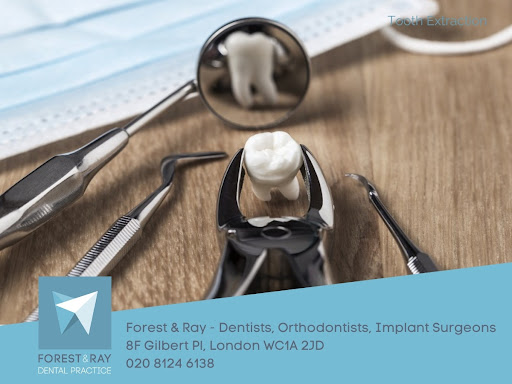
Your dentist could utilize a local anaesthetic reduce the pain of your tooth before the removal. It can reduce the pain and sedation involved during the procedure. Afterward, you may suffer from bleeding at the site of extraction. The dentist will apply gauze on the site to stop the bleeding and encourage healing.
Fillings, crowns, implants bridges, dentures, and fillings are among the most common dental procedures that a dental professional may recommend after a tooth extraction to maintain the function and appearance of your mouth.
A potential issue with tooth extraction is a dry socket that occurs when the blood clot that develops at the site of extraction is dissolved or dislodged too quickly. It can result in severe pain and a slow healing. Suppose you develop a dry socket following an extraction. Your dentist will likely need to clean out any debris, and then wrap the socket with medicated dressings. This procedure is continued until the new tissue has grown back. You should always consult your dentist about the process of extraction and any necessary follow-up care. Look for more at Forest and Ray.
Abscesses or infections which aren`t cured by other treatment options
Tooth decay is among the main causes of infections and abscesses in teeth. If not treated, decay can trigger bacteria to get into the internal part of the tooth and cause an infection. Teeth that are infected can be very painful and uncomfortable. In some cases, the infection cannot be treated with other methods like an antibiotic treatment or a root canal. A common symptom is fever. that is associated with dental conditions and may require the attention of dental surgeons. If you need to take out the tooth because of an infection, it is vital to follow appropriate post-treatment guidelines for the initial 24-hours following the procedure.
Wisdom tooth extraction is the most common reason for needing a tooth extracted because of impaction or infection beneath the gum tissue. Local anaesthesia is utilized to ensure that the patient does not feel any pain during the procedure. Afterwards, patients will need follow the aftercare guidelines that are provided by their dentist for their sockets, gums, and gums to heal correctly without complications arising later on once healing has begun.
Teeth that have been imperforate or are trapped below the gum line
If a tooth gets impacted or trapped beneath the gum line, it may cause pain and discomfort. If it is not addressed, it can cause damage or infection to adjacent teeth.
Tooth extraction in London is a routine dental procedure that involves removing a tooth from its socket within the jawbone. The procedure may be easy or require surgery depending on how damaged the tooth and the area it`s situated. There may be bleeding and swelling after releasing the tooth. This is normal part of healing. Your dentist will apply gauze at the tooth`s extraction site to control bleeding and encourage clotting.
For optimal healing, it`s crucial to be sure to follow the instructions given after the removal of a wisdom tooth or any dental procedure that involves an impacted or trapped tooth.
Injury from trauma or injury
It could be necessary to take out the tooth when your teeth have been traumatized or damaged. In some instances, the injury is so severe that the tooth cannot be saved and must be taken out. In certain cases of trauma or injury, your dentist may recommend an extraction if they believe trying to save the damaged tooth may result in more harm than good. This is particularly true when you are trying to save your tooth might cause a swell in your lower teeth or cause dental pain near. If the tooth infection has gotten too large and cannot be controlled with antibiotics or other means and treatments, it might be necessary to extract the tooth Following the proper instructions for care after a tooth removal is vital to heal properly and without any complications.
Too advanced periodontal disease
If the condition of your periodontal health is advanced enough, it may be necessary to remove teeth. The bacteria that cause gum disease can also harm teeth and surrounding bone. If untreated, this can lead to loss of teeth, or even tooth loss.
The dentist will remove the tooth that is damaged from the socket of your jawbone. This procedure involves numbing the area surrounding the tooth, then using technical tools to loosen the tooth from its socket. You must adhere to all instructions provided by your dentist following the extraction of a tooth.
You`re likely to experience some discomfort and swelling for several days following the procedure while your body attempts to heal and fill the empty socket of your tooth with fresh tissues. Dentists are able to use stitches to seal the surgical site.
We advise that you do not interrupt the process of healing at this point. This could lead to an issue known as dry socket, in which there`s no blood clot in the space that your tooth is. This can cause pain and slow down the time to heal. The risk of problems can be reduced by following the recommendations for aftercare from dentists, for example the identification of warning signs for potential issues and getting professional dental care when required.
Teeth that block the path for new teeth that are growing in
A tooth that is newly created could encounter a problem as it attempts to develop. It doesn`t matter if the tooth is blocked or impacted by a tooth. The discomfort and pain can result. The procedure of dental extraction is a long-standing tradition. It involves the removal of the socket of a tooth from the jawbone. Local anaesthesia is used to reduce the pain of your tooth and surrounding areas, to ensure that you do not feel discomfort. After the procedure dental implants are an option. They have many advantages and are an excellent option to restore the tooth which was removed. The cost for a tooth extraction can vary based on several factors including location and the severity of your situation, as well as whether you are covered by insurance.
A dentist might recommend extraction of a tooth if a permanent tooth begins to grow but is blocked by another tooth. The procedure is performed when all other treatments have failed and the tooth must be extracted from the socket. The procedure usually only takes several minutes at an interval until the root is removed completely. The tooth is then completely removed leaving no marks. The period of recovery after surgery is followed up with regular examinations scheduled for the next few weeks until the tooth is healthy again!
Orthodontic treatment that involves the removal of certain teeth
It is not unusual for certain teeth to be removed in the course of orthodontic treatment. A few teeth may get blocking the path that new teeth are growing or could cause overcrowding. To extract damaged tooth, a small cut is made in the gum tissue. The bone covering the tooth is removed. The dentist will then employ specific tools to release and remove the tooth, or break the tooth into smaller pieces if necessary.
It is essential that you adhere to the guidelines from your oral surgeon or dentist after tooth extraction. If you don`t follow the instructions correctly, it could result in a painful problem known as dry socket. This happens when blood clots fail to form properly at the extraction location. In the end, although nobody is looking forward to the idea of having a tooth extracted in their orthodontic plan of treatment in London, knowing what to expect prior to the appointment will ease anxiety around this standard dental procedure. Following the post-operative instructions and obtaining immediate medical attention, if necessary is a great way to ensure that patients can return to their homes with no pain or discomfort within hours of their appointment.
Severe tooth decay cannot be addressed with a filling or crown.
If decay is so advanced that it will no more be fixed with a crown or filling, an extraction procedure could be the most effective option. The dentist will evaluate the extent of the decay to determine whether a simple removal or a surgical procedure is needed. After the procedure following a tooth extraction, proper care is vital to promote healing and stopping infection. For at least 24 hours following the procedure patients must avoid smoking cigarettes or drinking from a straw. Patients should wash their mouth with salt water several times each day to keep the socket free of plaque.
Patients should be aware that some pain is normal after tooth extraction. However, if the pain persists or worsens over time, they must call their dentist. Patients should also check in within a week of having surgery with their dentist to ensure that their healing is going as planned and to resolve any concerns they have about their dental health going forward. Consult with a dentist about the advantages and risks of dental implants will assist you in making a sound choice for your particular situation.