Tooth extraction is often done because of a variety such as crowding, decay or disease.
Tooth that is malformed and causes discomfort or pain
Tooth extraction is a dental procedure that involves removing teeth from their socket within the gum. A tooth that isn`t straight can cause pain or discomfort in the jaw. The tooth could need removal to ease the discomfort.
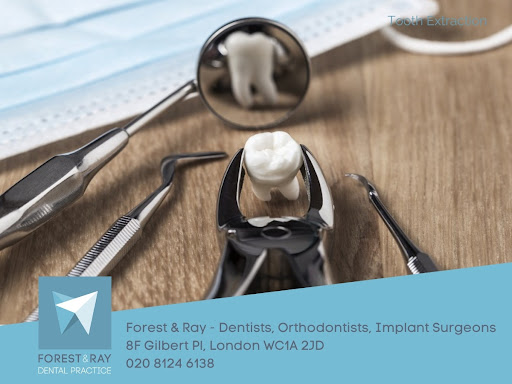
Your dentist may use a local anaesthetic to reduce the pain of your tooth before you take it out. This helps reduce the pain and sedation involved during the procedure. Following the procedure, you`ll likely have some bleeding around the area of the extraction. Your dentist will put gauze over the site to stop the bleeding and to aid in healing.
Implants, crowns, fillings, bridges, and dentures are just a few of the common dental treatments which a dentist might recommend after a tooth extraction to protect the function and aesthetics of your mouth.
Dry socket is one of the many problems that could arise following extraction of a tooth. It happens when the blood-clot that is at the area of extraction gets dislodged or breaks down quickly. This can cause intense pain and prolong the healing process. In the event that you develop a dry socket following an extraction. Your dentist is likely to get rid of any debris and then wrap the socket with medicated dressings. This procedure is continued until the new tissue has grown back. It`s a must to seek the advice of your dental doctor regarding the extraction process as well as the aftercare that is required. Check information at Forest and Ray.
Abscesses or infections that aren`t treatable with other methods
Tooth decay can cause abscesses and infection. If it is left untreated for a long time the decay may lead to bacteria settling into the internal parts of the tooth and leading to the tooth to become infected. Infected teeth can be extremely painful and uncomfortable. Sometimes, these infections cannot be treated using other procedures for example, the root canal or antibiotics. Fever is a common symptom that is associated with dental conditions and may need the attention of dentists. If you must remove a tooth due to an infection, it is essential to adhere to the proper aftercare during the first 24 hours following the procedure.
Wisdom tooth extraction is often a reason why a tooth needs to be extracted because of infection or impaction beneath the gum tissue. During this extraction procedure, patients are provided with local anaesthesia so they don`t feel pain when their wisdom teeth are taken out. After the procedure, patients must follow the dentist`s specific instructions for proper healing of their gums and sockets.
Teeth that have been stuck or impacted below the gum line
Untreated, a tooth that is caught or impacted below the gum can cause discomfort and pain. If not treated, it could cause infection or damage to the surrounding teeth.
Tooth extraction in London is a typical dental procedure that requires removing teeth from their socket inside the jawbone. It can be simple or surgical, depending on the severity of the damage and position. After the tooth is released, you might experience bleeding and swelling, which are normal aspects of healing. Your dentist may place gauze on the area of extraction to stop bleeding and help promote clotting.
It`s essential to follow all post-operative guidelines carefully to ensure optimal healing following wisdom teeth removal, or any other kind of dental surgery which involves an affected or trapped tooth.
Trauma or injury damage
If you`ve suffered damage or injury to your teeth, it could be necessary to take out teeth. Sometimes the dental damage is so severe that it is unable to be repaired and has to be extracted. The dentist might recommend extraction in some cases for trauma or injury. They consider that saving the tooth could cause more harm than the tooth was worth. This is especially true when trying to save the tooth could make your lower teeth looser or cause pain in the dental area. If a dental infection is serious enough to not be treated using antibiotics or other methods, it might become necessary to extract the tooth. Following proper instructions following the extraction will ensure that healing occurs correctly without complications.
Periodontal disease that has progressed to the point of being fatal
If the progression of periodontal diseases has gone to the point of needing extraction, it is possible. The bacterium that causes gum disease can also harm the bone around it and teeth. In the absence of treatment, gum disease may cause loose teeth and even tooth loss.
The dentist will extract the damaged tooth in the jawbone`s socket. The dentist will numb the area surrounding the tooth and use instruments to loosen the tooth. It is essential to follow all instructions given by your dentist after tooth extraction.
Following the procedure you might experience swelling and discomfort for a few days while the body heals and tries to fill the empty socket. Dentists can make use of stitches to aid in closing the surgical site.
We suggest that you do not disrupt the healing process at this point. This could lead to a condition known as dry socket. This is when there`s no clot of blood within the socket in which your tooth was. This could result in discomfort and delay the time to heal. By following the advice of your dentist, you`ll minimize the chance of suffering from complications. This means being aware of warning signs of possible issues and utilizing professional dental services when needed.
Teeth that block the way of new teeth to grow in
If a new tooth is trying to expand, it could come across an obstacle. The tooth may be impacted or blocked by a tooth, it can cause discomfort and even pain. The extraction of a tooth is a dental procedure with a long tradition that involves removing a tooth from its socket in the jawbone. Local anaesthesia can be used to relax your tooth and the area around it, so that you don`t feel discomfort. Dental implants are an option following the removal and offer numerous advantages to replace the tooth removed. The cost of a tooth extraction can vary based on several factors, such as location and the severity of your situation, and whether you have insurance coverage.
A dentist can recommend tooth extraction when a permanent tooth is growing but is obstructed by another tooth. This procedure is utilized when other treatments fail, and will require the removal of the affected tooth from its socket – usually just a few minutes in a row until the whole root is completely removed, leaving no trace left behind. It also ensures the patient`s ease throughout the entire process by using appropriate numbing techniques prior to starting work on the area affected and thus reducing the likelihood of further complications, like infections due to decay that is not treated or damaged tissue in the area around the extraction site. After the procedure, routine checks are scheduled for following weeks to ensure that all is well.
Orthodontic treatment that requires the removal of some teeth
It is not unusual for some teeth to be removed in the course of orthodontic treatment. Certain teeth may be in the way of the growth of new teeth or causing overcrowding. To remove an impacted teeth, a small cut is made through the gum tissue. The bone that surrounds the tooth will be removed. The dentist makes use of special tools to remove or break down the tooth.
It is very important that you adhere to the guidelines that are provided by the dentist or your oral surgeon following tooth extraction. Dry socket pain, which happens when blood clots don`t not form properly at the extraction site, may occur when you don`t follow these instructions. While nobody likes having their tooth removed as part of an orthodontic treatment in London the UK, being prepared for the procedure can lessen anxiety. Following post-operative instructions and seeking immediate medical attention, should it be required helps patients go home without any pain or discomfort within hours of their appointment.
The tooth decay that is severe can`t be addressed with a crown or filling.
If severe decay is so advanced that it will no be treated with either filling or crown, dental extraction may be the best solution. The dentist will first evaluate the severity of the decay before they determine whether a simple or surgical extraction is required. After a tooth extraction the proper aftercare for tooth extractions is crucial for promoting healing and protecting against infections. For at least 24 hours after the procedure the patient should avoid smoking cigarettes or drinking from a straw. Patients should wash their mouth with salt water several times every day to keep the socket clean.
Patients should be aware that a certain amount of discomfort is normal following tooth extraction. However, if the pain persists or worsens over time, they should contact their dentist. Patients must also follow up within a week following the procedure with their dentist in order to confirm that they are healing properly and resolve any concerns they have about their future dental health. Talking to a dentist about the benefits and risks of dental implants could assist you in making the best decision depending on your individual situation.