Roof tiles made of slate are not new or modern. Slate roofing tiles have a long history that dates back to many hundreds of years. Of all roof tiles types, slate tiles have survived best the ravages of time. Even to this day, they survive as a prized variety of roofing material since it has a high quality, is very durable and long-lasting, and looks spectacular even in older buildings.
Like any other roofing material, roof covering tiles have their own downside. Slate based tiles are heavy and installing them on a roof can be hard work. Roof tiles must be handled carefully to avoid breakage. Especially when those tiles are made from natural materials like slate, the cost can be exorbitantly high, making it ever more important to handle materials carefully.
There are several benefits to using slate roof tiles for buildings.
1. It is Natural
Of all roof tiles types, slate tiles are natural stone. The tiles are crafted out of sedimentary rock, with every set of tiles having its own unique texture and design. That adds to the appeal of tile roofs, but can make replacement or repairs a tricky affair, since it is difficult to match the older tiles with new ones which may be carved from a different block of slate.
2. It is Long Lasting
Tile roofs typically last for many decades. Some churches in the United States and Europe have tile roofs that have lasted for longer than 100 years. It is common to see buildings where the roofs outlive the rest of the infrastructure. However, in order to get the highest value out of these roofing materials, it is mandatory that the installation be done correctly. When you find a skilled craftsman who can install your tile roof, you can relax and enjoy your durable new roof while others who employ alternative materials find themselves having to change their roof (or repair it) every 20 years or so.
3. It is Attractive and Appealing
When it comes to beauty and elegance, there are few roofing materials to rival roofing slate tiles. No other material, or even other roof tiles types, come close to the peerless look and appeal of slate based tiles. It may appear, at first glance, that a natural material should be limited in the range of looks it can provide. But nature is indeed magical, and you can find slate tiles roofing material in a wide range of tints and patterns, thickness and colors. Roof tiles types come in grey and green, purple and black, and even a distinctive shade of red.
4. It is Fire Resistant
Roof tile material made of slate are resistant to fire. It is just as if you have layered slabs of stone on your roof, so tile roofs are the most fire-resistant option of all kinds of roofing materials. This makes slate tiles an ideal option for homes built in areas with risk of forest fires and can guard against accidental sparks in the kitchen.
5. It is Environment Friendly
Lasting for decades, slate tile roofs won’t be a concern for landfill overflows in a city. Asphalt roofing as well as other kinds will need an overhaul every 30 years or so. The old roof that is torn down will be returned to a landfill, stressing the environment in a way that’s hard to imagine. City planners are always concerned about this impact, and must constantly seek places to accommodate the growing demand for landfill area. In this sense, slate roof tiles have a very low adverse impact on the environment.
Top Of The Range – Dependable, Upmarket And Tough Slate Roofing Tile
Slate roofing has been around for quite a while, and for an excellent reasons. It’s a strong and durable building material that’s simple to use and extremely durable. It’s widely known for its endurance as roofing material. Slate roofing has been proven to last longer than homes. It’s the best choice for those looking for a great style and stunning roofing.
Slate roofing design options
Slate roofs are in a class of their own. They are strong and reliable materials that are sought-after by builders, architects and designers. Welsh Penrhyn is the most widely used kind of roofing slate. The slate has been continuously mined for more than 300 years. The longest recorded life span of this slate is 200 years. Modern Canadian and
Spanish slates are certified to last 75 years. Stone can only last this long.
As a design element slate roofs are typically utilized for their durability for all kinds of conditions. Slate’s characteristics are a good indicator of its quality for roofing materials:
- Stone with high density
- Insistent on salt’s effects
- Fireproof
- Resistant to heat and pollution
- Slate doesn’t fade
- Good natural colour
Traditional roofing tiles are like ceramics or bricks. They don’t have the same density as slate, and don’t have the same features. Designers, slate is quite simply a much better choice.
Slate roofs are made of real stone , and possess a higher aesthetic value. Slate is also incredibly simple to work with, and can be used to complete demanding tasks in complicated roofing design.
Small or large, slate roofing does it all
It has a long history of being used for everything from cottage roofs to cathedrals. This is a good illustration of the many uses of slate roofing, and how it can be used for any roofing task. This is an excellent thing. Traditional roofing is expensive and can become more costly as time passes. The slate roof can provide significant value for the home owner. There are numerous roofing companies who will not stock anything other than slate, particularly in the US and Canada, where it’s a highly regarded type of roofingthat’s that can withstand blizzards as well as heat waves.
Getting a quote
When shopping for slate, it’s advisable to make some calculations and planning prior to purchase:
- From your blueprints, identify the roof area. This area is measured in square meters. It’s enough to give a precise estimation.
- Explore the different kinds of slate roofing options available, starting with best quality slate, like the Welsh Penrhyn, in order to give you an idea of cost prices.
- Choose the color scheme you like. Slate has subtle variations in colour depending on the composition. It can range from a pale grey to blue grey.
Slate Roof Tiles Stand the Test of Time
homeowners contemplating replacing their roof have many options. There are many options available in a variety of styles and colors to the actual material. It is crucial to research everything before you decide to purchase a new roof. A few options for roofing materials include composition shingles, made from asphalt or fiberglass roofs made of steel and metal as well as slate and clay roofing tiles. These types of roofing can last for 20 to over 100 years and they come in a variety of prices and advantages.
Composition shingles made of asphalt or fiberglass offer a durable option for roofing. These shingles can be installed over the existing roof and are easy to put up. They are available in a variety of shades and textures, and can be replaced if they’re damaged by high winds. Metal roofing is gaining popularity, as it has proven to reduce energy bills by 20 percent or more. Additionally, it’s very easy to maintain and is available in many appealing styles and colours. All of these options for roofing will last between 20 and 30 years, and they are the least expensive alternative.
Slate roof tiles are a great option for a roof that will last at minimum 100 years. They will give your house a unique traditional look. These slivers of shingle that resemble natural rocks have a distinct timeless appeal. They are available in a wide range of beautiful, natural tones. A slate roof should be installed by a trained professional, after which, it is very low maintenance. The slate roof isn’t vulnerable to rot or insect damage. Anyone who has to access the roof should take extra care since tiles are easily broken. The expense of building a slate roof is an important consideration for homeowners. Due to the added weight of these tiles it is possible that some structural work will be needed prior to the roofing. The cost of a slate roof may be five times that of traditional roofing materials, but is likely to last for five times longer and also.
The roof can be an investment no matter what materials you choose.
What You Need To Know About Slate Roofing Tiles
Roof tiles are used on residential and commercial roofing. Roof tiles are used to protect your home against the elements such as hail, sun snow, wind and wind. The tiles also protect your structural framing system against destruction by keeping it dry and protected.
Depending on how the materials have been placed, they help in increasing the insulation and help keep your home cool in hot conditions.
Additionally tiles, they provide your home with a stylish appearance that is appealing to a lot of people.
Types of tiles
There are three main kinds of tiles that include cement, slate, and clay. Clay tiles are the oldest type of tiles. They are constructed from clay that is baked to eliminate moisture. Concrete tiles are made from cement and are less expensive than clay tiles.
Natural stone is used to make the slate materials. They are well-known because of their unique style and appearance.
Concrete and clay versions are available with “U” and “S” forms; however there are different versions that are flat , and other that have interlocking designs.
Advantages
These roofing materials offer the benefit of being versatile and long-lasting. They are also resistant to fire and are easy to repair if they’re damaged due to wind or other elements.
Another advantage is that you do not have paint the sake of keeping their appearance which means you can are able to save a significant amount of dollars.
Disadvantages
These tiles offer many benefits, but they also have some disadvantages. One of the disadvantages is that the materials are usually very heavy; consequently, buildings won’t withstand their weight unless the structures are built to take them.
They are also costly when compared with other roofing materials. As a result they are prohibitively expensive for a lot of people. They require specialized skills and you’ll need to employ a professional installer.
Installation
The materials are typically installed on top of roofing sheathing and also the barrier against moisture. If you’re using flat tiles, it is possible to put them directly onto the roof deck. However when you’re using rounded clay or concrete tiles you will require steel lathes or wooden battens to undertake the installation.
It is recommended to hire a professional to ensure that the roof installation is done correctly and lasts an extended duration.
Slate and Tile Roof Repair – Do You Need an Expert Roofer to Find Leaks?
Leaking roofs can cause havoc for homeowners. There may be many reasons. What you consider to be the most obvious problem may not be the reality, and fixing it may not be enough to solve the issue. It is often difficult to pinpoint the cause of leaks around chimneys. Although there could be a obvious cause however, there may be other problems. A roofing expert will identify the cause of a leak and fix it.
These are only a few of the causes for roof leaks.
- Flashing issues– Flashing is a small metal piece that is inserted into joints and seams to prevent water from getting in. Flashing is made of various types of metals, but copper is one of the most popular in older homes and churches. It can cause cracks and degraded flashing around chimneys. In such a case, the flashings that were previously in place would need to be taken off and replaced with new hand-soldered flashings.
- Gutters – If a section of the gutter that is near the chimney is not draining correctly, water can get inside and appear to be an issue with the chimney. Regularly cleaning gutters and downspouts and making adjustments or relining of gutters that hang, is necessary to correct the problem. There are many types of gutters that are available. In older homes, you may even find yourself in the possibility of having 2 or 3 different types on the same property!
- Leakage in roofing materials Damaged or missing tile or slate can cause roof leaks. Old, worn-out or damaged underlayment can be a problem with a tile roof. The asphalt roof could be at the end of its useful life. Another reason that roofs suffer leakage is storm damage.
It is essential to have a skilled roofing contractor to check your roof yearly. Get them to look the roof and gutter system over to ensure it is performing the task it was designed to accomplish. Copper gutters and galvanized gutters will rust over time. When gutters don’t remove melting snow and rainwater away in a timely manner, water may build up beneath the roofing surface and cause concealed leaks. In a multi-story home, if the gutters get overflowing because of deterioration or back up water dripping into the roof below can cause it to wear away more quickly than usual, resulting in a lower lifespan of the roof.
Slate Roof Tiles FAQs
What Are the Pros and Cons of Slate Roofing?
It’s low maintenance, ages beautifully, requires few repairs, and has a unique appearance. And unlike some other roofing materials, slate is eco-friendly with no asphalt, fiberglass, or plastic components.
Disadvantages include complications replacing a broken tile, the higher cost, and the extra care it takes to make sure it’s properly installed.
Can my home support the weight of a slate roof?
Most homes can. You may have heard about slate roofs that failed within a couple years of installation. It’s generally because the underlying structure was weak to begin with. Since slate is heavier than most roofing materials, it’s important to have a professional slate roofing contractor test the roof’s support capabilities.
How long will my slate roof last?
Slate is natural stone that is millions of years old. The S1 grade that is mined in North America is strong, dense, and durable and, as long as it isn’t sealed or painted, can last for hundreds of years on a roof. Slate roofs also do not hold up well to foot traffic which could snap, perforate, or dislodge tiles.
Is a slate roof difficult to maintain?
Slate is naturally waterproof and non-combustible which makes it ideal for protecting your home in the event of a fire. Highly resistant to heavy rain and wind, it also is not affected by mold or fungus. All these traits add up to a practically maintenance-free roof.
Does slate only come in gray?
No, slate’s color options include green, plum, red, and black, as well as mixed color variations that naturally occur. Your slate roof will truly be one-of-a-kind!
How much does slate roofing cost?
It depends, and costs vary broadly depending on thickness, weight, roof pitch, and ease of installation. Estimates range from $10 to $40 and more per square foot.
Do I need a specialist to install a slate roof?
A slate roof is more of an art form so it’s typically not a good DIY project. To protect your investment, it’s best to find a fully-trained professional to install slate roofing projects.
Slate Roof Installation
Mighty Dog Roofing provides the the best choice for roofer slate roof installers located at Plano Texas. Our Plano slate roofers are among the best across the region. This makes them among the best roof contractors in Plano. Since 1960, we’ve installed slate roofs. We don’t want to take shortcuts or make a mistake because we know how important these factors are. You may rely upon us to deliver a top product and service.
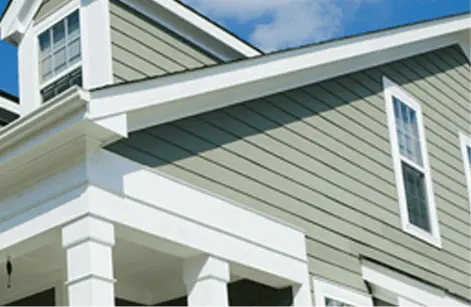
Slate Roof Installation With Hip and Ridge Joints
Slate roofs are preferred by many as they are among the best types of roofs. Though the installation cost quite a bit of money, slate roofs are great in improving the general appeal of the housing. Usually, homes with this type of roof installation have higher values.
Slate roof installation involves setting the hip and ridge joints. Before slating the roof, furring strips along the hip need to be installed. The standard thickness of slates is 3/16″ to 1/4 “. For slates with this thickness, 3/4″ furring strips are recommended. Nail these furring strips to the roof using 2.5″ hot dipped galvanized common nails.
On the bottom of the furring strips, install the first piece of the copper flashing using 1.5 copper roofing nail. To hide the furring strips, fold the bottom of the flashing.
Slate roof installation follows after the copper flashing has been nailed and folded. Install the slates over the flashing by nailing them into the furring strips. 1.5 copper roofing nails can be used but certain areas need to be attached with 2.5 copper roofing nails.
Install the next piece of step flashing over the hip slates. For this, a single nail will do. After this, nail the next pair of hip slates over it with at least two nails per slate. Fold the flashing lengthwise in half with 4″ in each side. With this, the overlying slates and flashings, the 16″ hip slates are to be overlapped halfway. Meanwhile, the step flashings would be overlapping each other by 2″.
Continue the setting up in this manner, flashing over the top of each pair of hip slates. The hip slates can be installed even without cutting and they do not to be tapered as well. To finish quickly, install the slates in pairs, not one side at a time.
Slate Roofing Made Easy – Choosing The Right Tools And Materials
If you want to install your own slate roof it is recommended to conduct some research prior to the installation. You need to be ready to succeed. Make sure you know about the different types of slate, manufacturing methods Flashing, sheathing nailing and other products before you start.
First of all, check that your roof is suitable to be used for slate roofing. Slate roofs should not be installed at the ratio of 4:12 (4 feet of rise on 12 feet of run). If your roof meets these requirements, you should consider purchasing the appropriate tools for slicing and the materials needed to complete the task.
Tools
Make sure you have the proper tools for slating and utilize the right slating tools and use. The basic toolkit you should have will include a slate ripper, a slate cutter, and a slate hammer. When cutting slates, use the slate cutter and not a diamond saw. The latter will produce an edge that is bevelled of the slate, which is in line with the look of all other slates. However, a diamond blade will produce an edge that is square and looks unnatural.
Slates
There are many slates available however not all slates are created equal. You must choose the appropriate slates for your roofing. Take into consideration the quality of the slate, its thickness, size and kind of slate you’re considering when choosing the right one. For instance, large slates are more difficult to cut, while smaller slates can take longer to put in place because there will be more of them.
Check to ensure that the nails are in the correct place on the slates. You should position the holes in a way that nails can be placed just above the head on the slate beneath. Do not drill holes to low that they could cause damage to the base slate.
You should order the appropriate amount of slates. You should work out your head lap prior to the start of the season and order enough slates in order to accommodate this. Starter course slates must be purchased separately. You will need nail holes for your starter course only at the top, and also on the back of the slate.
Materials
Slate Nails
Make sure you use quality nails. Slate nails must be stainless steel or aluminum. Copper nails are preferred for areas with a lot of coastline and silicon-bronze nails are best in harsh conditions.
The correct length of nail is crucial. Your nails should just penetrate the roof deck boards when installing them. It is essential because if the they are too long, they will traverse the boards, breaking and splintering the wood on the back. This will reduce the board’s thickness and increase the holding power for the nails.
Decking material
Decking materials that are placed beneath slate have to be as strong as the slates. This is accomplished by battens and wood boards that have a width of 20-40mm. They may be rough-sawn or planned or even feature the tongue-in-groove style. Other durable decking materials are concrete, which can be nailed and Gypsum. Do not use laminated or plywood.
Underlay
It is not required for slate roofs. The underlay serves as a barrier to water from when the slate tiles are laid and the flashings are applied. It also acts as a substrate to draw chalk lines. A one-layer of 30lb felt will suffice in the majority of cases.
Flashing material
Good flashing material is essential. You can use copper, stainless steel, or even sheet lead. It is better to choose a heavier material for valleys and gutters, than for ridges and chimney flashings.
Slate Roofing For Your House
If you have decided to install a slate roof by yourself, there are some things you require to be prepared before you jump in. In this article, we will discuss the numerous issues associated from slate roofing. First, ensure that your roof slopes more than 4:2. The slope should rise 4 feet for every 12 feet.
Roofing Materials
A slate hammer, cutter and a slate ripper are the most popular tools used to install slate roofing. Do not use a diamond saw to cut slates that have a square edge. Instead, you can use the slate cutter to create a neat look.
Slate Type
As with any construction material, slates come in various types. Slates are available in a range of materials and quality and also in varying dimensions and thickness. Whichever slate you decide to choosewill dictate the way you’ll work to get your roof up. Slates come with nail holes and you need to make sure that you get the slates placed in a way to allow the nail to be placed over the top of the slate’s head. This will guarantee that there aren’t any leaks.
When you’ve selected the type of slate you’ll use to make your roof, ensure to get the correct amount. You may find that the slates that you ordered are no longer available and have to return to the store. Get additional slates in case the possibility of damage to some plates during the roof building process. It’s not a bad idea to get the starter slates separately.
Other Materials
Many nails will be needed to install slate roofing. So, use nails which are made of aluminium or stainless steel as they don’t rust when in comparison to iron nails. Copper nails are best if you live in severe climate zones. The nail length is of critical importance in slate roofing since the nails need to go deep enough into the roof deck. If they are not, it could cause destruction to the wooden boards.
Additionally, you will be using decking products. They should be of the same length as the slates below. Avoid wooden decks and plywood made of laminated wood. If you wish to, you can put in an underlay that will hold in water until slates are put in.
Slate Roof Repairs – The 100 Year Roof!


 Virtual Entertainment Zoom