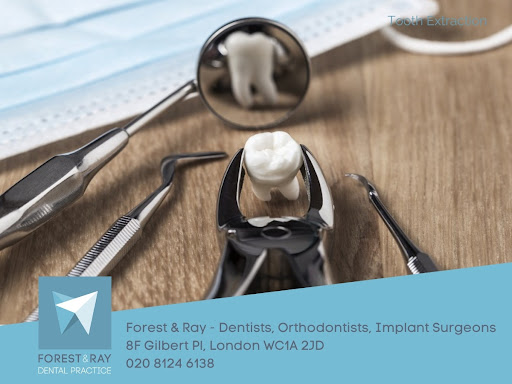
Reasons for Tooth Extraction: Common reasons for tooth extraction like crowding, decay or disease.

0 Comments

Tooth that is malformed and causes discomfort or pain

Tooth extraction is a procedure that involves the removal of a tooth from its socket within the gum. A tooth that is crooked may cause discomfort or pain in the jaw. The tooth might need been removed to relieve these signs.Teeth extraction Camden

If you`re having a simple extraction, your dentist will make use of local anaesthesia to relax the area around the tooth before taking it out. This helps reduce the level of discomfort and sedation experienced during the procedure. You may experience some bleeding following the procedure. Your dentist will apply gauze to the area in order to stop bleeding and aid in healing.

After removing a tooth your dentist might recommend dental fillings, crowns, or implants to restore the appearance and function of your mouth.

A dry socket is one of the complications that may arise after extraction of teeth. It happens when the blood-clot that is at the site of extraction is dislodged or disintegrates in a hurry. This can lead to severe pain and a slow healing. Imagine you have dry socket after an extraction. If that happens the dentist will need to eliminate any remaining dirt from the socket and wrap it in medicated dressings until the new tissues re-grows back. It is essential to obtain information from your dentist professional regarding the extraction procedure as well as the aftercare that is required. Get information at Forest and Ray.

Infections or abscesses which aren`t cured by other methods

Tooth decay is one of the most frequent causes of infections and abscesses on teeth. If it is left untreated for too long, decay can lead to bacteria getting into the interior of the tooth and leading to an infection. If a tooth is affected, it may be extremely uncomfortable and painful. These infections can sometimes be addressed with root canals or antibiotics. It is a typical symptom related to dental ailments which could require the attention of dental surgeons. If you are considering having the tooth removed due to the infection, you must adhere to proper post-treatment procedures for the first 24 hours after the procedure.

A wisdom tooth extraction can be necessary due to an infection or impaction under the gum tissue. Local anaesthesia can be used to ensure that patients do not feel pain during the procedure. Following the procedure, patients are required follow the specific aftercare recommendations provided by their dental surgeon for their sockets, gums, and gums to heal properly without any complications occurring later, after the healing process has begun.

Teeth that are imperforate or are trapped below the gum line

If a tooth is not treated, it is stuck or impacted beneath the gum could cause discomfort and pain. It could also cause an infection or damage to the surrounding teeth if left untreated.

The extraction of a tooth in London is a common dental procedure which involves removing teeth from their socket within the jawbone. The procedure can be simple, or it can involve surgery dependent on how damaged the tooth is and the location it`s in. You might experience bleeding or swelling following the release. It`s normal as part of the healing process. Your dentist may apply gauze on the site of extraction to stop bleeding and promote clotting.

It`s important to follow the post-operative instructions with care to ensure the best healing possible following wisdom teeth removal, or any other type of dental procedure with an injured or trapped tooth.

Injury or trauma damage

It might be necessary for you to remove one tooth if the teeth have been injured or traumatized. In some cases, the damage is so severe that the tooth cannot be saved, and it is necessary to take it out. In certain cases of injuries or trauma, your dentist may recommend an extraction if they feel that attempting to save the tooth can cause more harm than good. This is particularly true when you are trying to save your tooth can make your lower teeth looser or cause dental pain near. If an infection in your tooth has gotten too large and cannot be treated with antibiotics or other treatments and treatments, it might be necessary to undergo a tooth extraction Following the proper instructions for care after a tooth extraction can be essential for healing to proceed with no complications.

Periodontal disease that has progressed to the point of being fatal

When periodontal disease has progressed enough, tooth extraction is possible. The bacterium that causes gum disease can also harm the bone around it and teeth. If not treated it can result in loose teeth or even tooth loss.

When you undergo a tooth extraction, the dentist will extract the damaged tooth from its socket inside your jawbone. The dentist will use numbing to the area around the tooth, and use instruments to loosen the tooth. Be sure to follow the instructions provided by your dentist after tooth extraction.

You`ll likely experience some pain and swelling for several days following the procedure, as your body attempts to heal and fill in the socket of your tooth with fresh tissue. Dentists can apply stitches to close the surgical site.

It is recommended that you not interrupt the process of healing during this time. This can lead to an issue known as dry socket. This is when there`s no blood clot in the space the tooth was. This can cause discomfort and may delay the healing time. By following the advice of your dentist, you`ll be able to minimize the chance of suffering from problems. This includes the recognition of warning signs that indicate potential problems and seeking out dentists who are professionals when you need them.

Teeth that block the way for new teeth growing in

A new tooth could meet with a challenge when it is trying to develop. It does not matter if the tooth is blocked or impacted by another tooth. Inflammation and pain could result. Tooth extraction is a procedure that has a long history that involves removing teeth from their socket in the jawbone. Local anaesthesia can be used to numb your tooth and surrounding areas, so that you don`t feel any discomfort. Implants can be thought of as an option following the removal, offering numerous benefits to replace the removed tooth. The cost for a tooth extraction varies depending on several factors like the location as well as the complexity of your situation, as well as whether you have insurance coverage.

In a nutshell, if the permanent tooth is expanding but is unable to emerge because another tooth is preventing its exit and causing tooth loss, extraction may be recommended by a dentist who has examined your mouth carefully. The procedure is performed in cases where other treatment options have failed and the tooth must be removed from its socket. The procedure usually only takes the duration of a stretch until the root is completely removed. It leaves no trace. The recovery process after surgery is followed up with regular appointments scheduled over the following weeks until everything looks good again!

Orthodontic treatment that demands the removal of certain teeth

It is not unusual to have certain teeth removed in orthodontic treatment. A few teeth may get blocking the path of new teeth growing or cause an overcrowding. To remove an affected tooth, a tiny cut is made into the gum tissue. The bone covering the tooth is removed. The dentist will then employ specific tools to release and then extract the tooth. Or cut it into smaller pieces if needed.

Following tooth extraction, it`s important to follow proper aftercare instructions given by your oral surgeon or dentist. Inability to follow these guidelines could cause pain known as dry socket. It occurs in the event that blood clots don`t form properly at the removal location. Although no one likes having their tooth extracted during orthodontic procedure in London the UK, being prepared for the procedure can reduce anxiety. Following the post-operative guidelines and seeking immediate medical attention, should it be required helps patients go to their homes with no pain or discomfort within a few hours of their appointment.

 A crown or filling will not solve severe tooth decay.

If tooth decay is severe and has reached a stage that it is not possible to treat with a filling or crown the most effective method of treatment is the procedure of tooth extraction. The dentist will evaluate the extent of the decay to determine whether a simple removal or a surgical procedure is necessary. Following a tooth extraction following a tooth extraction, proper care is crucial for promoting healing and stopping infection. For at least 24 hour after surgery the patient should avoid smoking or drinking through a straw. They should also gently rinse their mouths using salt water at least once every day to keep the socket clean.

Patients should be aware that a certain amount discomfort is common after tooth removal, but should the pain persist or gets worse over time, they should immediately call their dentist. Patients should also check in with their dentist within a week after the procedure to ensure that the healing process is complete and resolve any concerns they have about their dental health in the future. Talking with a dentist about pros and cons of dental implants will assist you in making a sound decision for your situation.

Tooth extraction can be done for a variety reasons, including decay, crowding or disease.

0 Comments

Tees that are malformed, causing discomfort or pain

An extraction of a tooth is a process in dentistry that involves the removal of the tooth`s socket from within the gum. If a tooth is not properly formed the tooth may cause pain or discomfort in the jaw. In some cases, the tooth may require removal to alleviate these symptoms.Teeth extraction Camden

The dentist can utilize a local anaesthetic numb your tooth area before the removal. This helps reduce the level of discomfort and sedation that occurs throughout the process. Following the procedure, you`ll likely suffer from bleeding at the location of your extraction. The dentist will then place gauze over the site to stop the bleeding and to aid in healing.

Following a tooth extraction, a dentist may recommend crowns, fillings or implants to restore the aesthetics and function of your mouth.

One of the potential complications associated with tooth extraction is a dry socket that happens due to the fact that the blood clot forms on the tooth extraction site becomes dislodged or dissolves too fast. This could cause extreme discomfort and slow healing. If you experience dry socket following an extraction. Your dentist will likely need to get rid of any debris and then wrap the socket with medically-treated dressings. This process is carried out until the new tissue has grown back. Always ask your dentist regarding the process of extraction and any necessary follow-up care. information at Forest and Ray.

Abscesses or infections which aren`t cured by other treatments

Tooth decay is among the most common causes of infection and abscesses that occur in teeth. If it is left untreated for a long time tooth decay can result in bacteria infiltrating the inner part of the tooth and causing an infection. Infected teeth can be extremely painful and painful. Sometimes, these conditions cannot be treated using other procedures including a root canal or antibiotics. A common symptom is fever. associated with dental diseases that may need the attention of dentists. If you need to take out a tooth due to an infection, it`s crucial to follow the appropriate post-treatment guidelines for the initial 24-hours following the procedure.

The wisdom tooth extraction could be required due to an infection or a deterioration of the gum tissue. The procedure for extraction is carried out by patients are provided with local anaesthesia so they don`t experience any discomfort while their wisdom teeth are removed. Then, patients have follow the detailed instructions for aftercare given by their dentist for their gums and sockets to heal without problems occurring later, after healing has begun.

Teeth that are imperforate or are trapped below the gum line

Untreated, a tooth that is stuck or impacted beneath the gum could cause pain and discomfort. If left untreated, it may cause infection or damage to adjacent teeth.

The extraction of a tooth in London is a routine dental procedure which involves removing a tooth from its socket inside the jawbone. The procedure is either simple or surgical, depending on the severity of the damage and position. There may be bleeding and swelling after releasing the tooth. It`s normal as part of the healing process. Your dentist may apply gauze over the extraction site in order to control bleeding and encourage blood clotting.

It`s important to follow all post-operative guidelines carefully for optimal healing after wisdom teeth removal or any other type of dental surgery involving an impacted or trapped tooth.

Injury or trauma damage

If you`ve experienced injuries or trauma to your teeth, it might be necessary to remove teeth. In some instances, damage is so severe that the tooth can`t be saved, and it is necessary to take it out. Your dentist may suggest extraction in some cases like trauma or injury. They believe that saving the tooth may cause more harm than it was worth. This is especially true when trying to save the tooth will cause the lower teeth to become loose or cause discomfort. If a tooth infection is too serious and cannot be treated using antibiotics or other methods that could be used, it might be necessary to extract the tooth. By following the proper procedures after the extraction will ensure that healing takes place without complication.

Periodontal disease that has progressed to the point of being fatal

If periodontal disease has advanced enough, it might be necessary to remove teeth. The bacterium that causes gum disease also affect the teeth and bone surrounding them. If not treated it could lead to loose teeth or even loss of teeth.

When you undergo a tooth extraction, the dentist will extract the tooth that is damaged from its socket in the jawbone. The dentist will then numb the area around the tooth and then employ the latest technology to gently loosen it. It is essential to follow all instructions from your dentist following tooth extraction.

After the procedure, you may experience swelling and discomfort for a few weeks as your body heals. It will also attempt to fill the empty tooth socket. Dentists can employ stitches to close the surgical site.

We recommend not disturbing the healing process during this time because it can lead to a situation known as dry socket. This is when there is no blood clot present in the space where your tooth was formerly located – which could cause severe pain and can delay the healing process. If you follow the recommendations from your dentist you can minimize the risk of complications. This includes the recognition of warning signs that indicate potential problems and getting dentists who are professionals when you need them.

Blocking teeth that prevent new teeth from growing into

A new tooth may meet with a challenge while it is trying to develop. It does not matter if the tooth is impacted or blocked by a tooth. Pain and discomfort can result. Tooth extraction is a procedure with a long tradition that involves removing the tooth from its socket within the jawbone. Local anaesthesia is a method to make your tooth numb and surrounding areas, so that you don`t feel any pain. Implants can be thought of as an option following the removal and offer numerous advantages to replace the tooth that was removed. The cost for tooth extractions differs based upon a variety of variables such as the location the extraction, the insurance coverage, as well as how complicated your case.

In short, when an untreated permanent tooth begins developing, but it isn`t able to emerge because another tooth is blocking its way out The extraction of a tooth may be recommended by a dentist who has examined your mouth carefully. The procedure is performed when all other treatments have failed and the tooth must be removed from the socket. It usually takes only the duration of an interval until the root is completely removed. The tooth is then completely removed leaving no marks. The period of recovery after surgery is followed up with regular examinations scheduled for the next few weeks until everything looks good again!

Orthodontic treatment that demands the removal of a few teeth

When undergoing orthodontic treatment, it`s not uncommon to have some teeth that require removal. Certain teeth could be obstructing the way for new ones growing into or causing an overcrowding. Extracting an impacted tooth involves making a small cut in the gum tissue and removing any bone that covers the tooth. The dentist will then use specific tools to release and extract the tooth or cut the tooth into smaller pieces, if required.

After the extraction of your tooth, it is important to follow proper aftercare instructions provided by your oral surgeon or dentist. If you don`t follow the instructions correctly, it could result in a painful condition known as dry socket. It occurs when blood clots fail to form properly at the removal site. While it is not a pleasant experience to have their tooth extracted during orthodontic treatment in London the UK, being prepared for the procedure can lessen anxiety. By following the instructions for post-operative care carefully and seeking urgent medical attention if needed, most patients can go home within hours following their appointment without a lot of discomfort. They can also get back to their regular treatment plan as quickly as they can.

Dent decay of severe severity cannot be treated using a crown or filling.

If severe tooth decay has advanced to the point that it is not possible to treat with a crown or filling the best method of treatment is the removal of teeth. The dentist will first evaluate the severity of the decay before they determine if a simple surgical extraction is required. After a tooth extraction procedure following a tooth extraction, proper care is crucial for promoting healing and preventing infection. For at least 24 hours following the procedure patients must avoid smoking cigarettes or drinking from straws. Also, they should gently rinse their mouth using salt water at least once every day to keep their socket free of plaque.

It`s important to know that some discomfort following tooth extraction is normal however if it persists or worsens over time patients must contact their dentist immediately. Patients should also follow up within a week of having the procedure with their dentist to ensure that they are healing properly and to discuss any concerns regarding their future dental health. A consultation with a dentist regarding the advantages and potential risks of dental implants will to make the best choice for your unique situation.

Tooth extraction can be done for a variety of reasons such as crowding, decay or even disease.

0 Comments

Tooth that is malformed and causes discomfort or pain

Tooth extraction is a procedure that involves removing a tooth from its socket in the gum. A tooth that is not straight can cause pain or discomfort within the jaw. The tooth may need removal to ease these symptoms.Teeth extraction Camden

Your dentist might make use of a local anaesthetic reduce the pain of your tooth before you remove it. It can reduce the pain and sedation involved in the procedure. It is likely that you will experience bleeding following the procedure. Your dentist will place gauze over it to help stop this bleeding and promote healing.

Implants, crowns, fillings, bridges, and dentures are some common dental treatments that a dental professional may suggest following a tooth extraction to maintain the function and appearance of your mouth.

One possible complication that could arise from tooth extraction is a dry socket, which can occur when the blood clot which forms at the extraction site gets dislodged, or dissolves too quickly. It can result in severe discomfort and slow healing. Imagine you have a dry socket following an extraction. Your dentist is likely to clean out any debris, and then wrap the socket with medicated dressings. This procedure is continued until the new tissues have grown back. You should always consult your dentist for the procedure of removal and any follow-up care. Check information at Forest and Ray.

Abscesses or infections that are not able to be treated with other therapies

The decay of teeth can lead to abscesses or infections. If it is left untreated for a long time tooth decay can result in bacteria infiltrating the inner part of the tooth, causing infection. Teeth that are infected can be very painful and uncomfortable. Sometimes, these conditions cannot be treated with other methods for example, the root canal or antibiotics. Dental diseases can cause fever, which is the reason dental surgeons might be needed to deal with the condition. If you’re considering having a tooth extracted due to an infection, it is important to adhere to the correct aftercare protocols during the first 24 hours following the procedure.

Wisdom tooth extraction is often a reason for needing a tooth extracted because of impaction or infection beneath the gum tissue. Local anaesthesia is utilized to make sure that the patient does not feel any pain during the procedure. Following the procedure, patients must follow the dentist’s specific instructions to ensure proper healing of their gums and sockets.

The teeth that have been impacted or trapped below the gum line

If a tooth gets impacted or trapped beneath the gum line, it may cause pain and discomfort. It could cause inflammation or damage to surrounding teeth if not addressed.

Tooth extraction in London is a typical dental procedure which involves removing the tooth from its socket within the jawbone. It can be simple or surgical, based on the severity of the damage and where it is located. There is a possibility of bleeding and swelling after releasing the tooth. This is normal part of the healing process. Your dentist may apply gauze over the site of extraction to reduce bleeding and stimulate clotting.

 To ensure optimal healing, it’s crucial to be sure to follow the instructions following a wisdom tooth removal, or any other type of dental procedure that involves an impacted or a tooth that has been trapped.

Trauma, injury or injury damage

It might be necessary to remove a tooth if your teeth are damaged or injured. In some instances, injury is so severe that the tooth cannot be saved and is necessary to take it out. Your dentist may suggest extraction in certain cases, such as injuries or trauma. They think that saving the tooth could cause more harm than it was worth. This is particularly the case if trying to save the tooth will cause the lower teeth to become loose or cause discomfort. If the tooth infection has spread too far and is not able to be treated with antibiotics or other means, it may become necessary to extract the tooth; following proper care instructions after a tooth extraction is essential to ensure that healing occurs in a safe and non-complicated manner.

Periodontal disease that has advanced to the point of being fatal

If periodontal disease has advanced enough, it could be necessary to remove teeth. Gum disease bacteria could damage teeth as well as the bone around them. Untreated gum disease can cause loose teeth, and possibly tooth loss.

When you undergo a tooth extraction, the dentist will remove the damaged tooth from its socket within your jawbone. The dentist will numb the area surrounding the tooth and then employ instruments to loosen it. You must adhere to all instructions provided by your dentist after tooth extraction.

You’ll likely experience some discomfort and swelling for a few days following the procedure, as your body works to heal and fill the empty tooth socket with new tissue. Dentists are able to use stitches to close the surgical site.

We suggest not disrupting the healing process at this period as it can result in a condition known as dry socket. This is when there’s no blood clot in the area where your tooth was previously located. This can be painful and slow the healing process. The chance of developing problems can be reduced by following the post-care instructions offered by dentists, such as being aware of the warning signs of possible issues and seeking out professional dental services when needed.

Teeth that are blocking the path for new teeth growing in

A new tooth may run into an obstacle while it is trying to grow. It doesn’t matter if the tooth is blocked or impacted by another tooth. Pain and discomfort can result. The extraction of a tooth is a procedure that has a long history which involves removing teeth from their socket in the jawbone. The procedure can be performed under local anaesthetic which can numb the tooth as well as the surrounding area so it is not felt to feel any pain during the procedure. After the procedure dental implants may be an alternative. They can provide many advantages and are an excellent option to restore the tooth that was taken out. The cost of a tooth extraction differs based on several factors like location and the severity of the case, and whether you have insurance coverage.

A dentist might recommend tooth extraction if a permanent tooth starts to expand but is being blocked by a different tooth. This procedure is recommended when other treatments fail and need to remove the tooth affected from its socket – usually taking just a few moments each time until the entire root has been completely removed, leaving nothing left behind. It also ensures the patient’s satisfaction throughout the entire procedure by using the right numbing methods prior to beginning work on the affected area and thus reducing the likelihood of the possibility of complications in the future, such as infections due to decay that is not treated or damaged tissue surrounding the site of extraction. The period of recovery after surgery is followed by regular check-ups scheduled over the following weeks until everything is back to normal!

Orthodontic treatment that involves the removal of a few teeth

When undergoing orthodontic treatment, it’s not unusual to have some teeth that require removal. Particular teeth may be blocking the path for new teeth growing into or causing an overcrowding. To remove an affected tooth, a tiny cut is made through the gum tissue. The bone that surrounds the tooth will be removed. The dentist will then use special tools to loosen and extract the tooth or break it into smaller pieces if necessary.

After the extraction of your tooth, it is important to follow proper aftercare instructions provided by your dentist or oral surgeon. In the absence of following these instructions, you could cause a painful condition known as dry socket. This happens in the event that blood clots don’t develop properly at the extraction location. Although everyone is not looking forward to having a tooth extracted as part of their orthodontic treatment plan in London Knowing what to expect beforehand can help alleviate anxiety about the routine dental procedure. Following the instructions for post-operative care and seeking immediate medical attention if required helps patients go home with minimal pain and discomfort within a few hours of their appointment.

 A crown or filling cannot help with severe tooth decay.

If tooth decay is severe and is at a point where it can’t be addressed by a crown or filling, the best course of action may be an extraction procedure. A dentist will examine the extent of decay to determine whether a straightforward extraction or a surgical one is required. Following a tooth extraction, proper tooth extraction aftercare is essential for healing and stopping infection. For at least 24 hours after the procedure patients must avoid smoking or drinking through straws. To ensure that sockets are clean, patients must take a gentle rinse using saltwater several times throughout the day.

Patients must be aware that some discomfort is common after tooth removal, but If the pain persists or gets worse with time, they should immediately make contact with their dentist. Patients should also follow up within a week of having the procedure with their dentist in order to confirm that their healing is going as planned and address any concerns about their future dental health. Consulting with a dental professional regarding the advantages and potential risks of dental implants could aid you in making the right choice to suit your particular situation.

Motives behind Tooth Extraction: the most common reasons why teeth are extracted, such as decay, crowding or a diseases.

0 Comments

The discomfort or pain due to misaligned teeth

Tooth extraction is a procedure that involves the removal of teeth from their socket inside the gum. If a tooth is not properly formed it can cause pain or discomfort in the jaw. The tooth may have to be removed to relieve these signs.Teeth extraction Camden

If you are having a straightforward extraction, your dentist will apply local anaesthesia in order to numb the areas around the tooth prior taking it out. This reduces the discomfort and sedation experienced throughout the process. You will probably experience bleeding following the procedure. Your dentist will put gauze over it to help stop the bleeding and encourage healing.

After a tooth removal, dentists can recommend implants, fillings, or crowns to restore the appearance and function of your mouth.

Dry socket is one of the complications that may arise after tooth extraction. This happens when the blood-clot that is at the area of extraction gets dislodged or breaks up prematurely. This could cause extreme discomfort and slow healing. In the event that you develop a dry socket following an extraction. Your dentist may need to get rid of any debris and then pack the socket with medically-treated dressings. This procedure is continued until new tissue has grown back. You should always ask your dentist for the procedure of the extraction as well as any follow-up care. Get more at Forest and Ray.

Abscesses or infections that aren`t treatable with other methods

Tooth decay is one of the most frequent causes of infections and abscesses that occur in teeth. If left untreated for a long time, decay can lead to bacteria settling into the internal parts of the teeth and causing an infection. When a tooth gets infected, it could be incredibly uncomfortable and painful. In some cases, the infection cannot be cured with other treatments, such as the root canal or antibiotics. Dental illnesses can cause fever, which is the reason dental surgeons might be needed to deal with the condition. If you are considering having removed a tooth due to infection, it`s important to adhere to proper post-treatment procedures for the first 24 hours after the procedure.

Wisdom tooth extraction is often a reason why a tooth needs to be extracted because of inflammation or impaction under the gum tissue. In this procedure, patients are provided with local anaesthesia so they don`t feel pain when their wisdom teeth are extracted. Then, patients have follow the detailed instructions for aftercare that are provided by their dentist for their sockets and gums to heal properly without any complications occurring later, after healing has started.

Teeth that are impacted or trapped beneath the gum line

Untreated, a tooth that is trapped or impacted under the gum could cause discomfort and pain. It could also cause an infection or damage to the surrounding teeth if it is not treated.

The typical dental procedure in London involves removing the socket of a tooth away from the jawbone. The process can be simple or surgical, based on the extent of damage to the tooth and its the location. After releasing a tooth, there may be some swelling and bleeding, which are typical of the healing process. Your dentist will apply gauze to the extraction site in order to limit bleeding and increase the formation of clots.

It`s important to follow the post-operative instructions with care to ensure optimal healing following wisdom teeth removal, or any other dental procedure that involves an impinged or trapped tooth.

Injury or trauma damage

It might be necessary for you to remove teeth if they have been damaged or traumatized. Sometimes the dental damage is so extensive that it can`t be saved and needs to be pulled out. The dentist might recommend extraction in specific cases like injuries or trauma. They believe that saving the tooth may result in more harm than it was worth. This is especially true when saving the tooth would cause your lower teeth to loosen or cause pain. If a tooth infection is too extensive and is not able to be treated with antibiotics or any other method the patient may be required to remove the tooth Following the proper instructions for care after a tooth extraction can be vital to heal correctly without complications.

Too advanced periodontal disease

If periodontal disease is advanced enough, it may be necessary to remove teeth. Gum disease bacteria can cause damage to teeth and bone. If left untreated it could lead to loose teeth or even tooth loss.

After a tooth extraction the dentist will remove the damaged tooth from its socket within the jawbone. The procedure involves numbing your area surrounding the tooth and then using a variety of tools to remove it from its socket gently. After the tooth has been extracted ensure that you follow the post-operative instructions your dentist provides.

You`ll likely experience some discomfort and swelling for a few days after the procedure as your body works to heal and fill the tooth socket with new tissues. Dentists can use stitches to seal the surgical area.

We advise that you do not interrupt the process of healing at this stage. This can lead to a condition known as dry socket. It`s when there isn`t clot of blood in the place in which your tooth is. This can cause discomfort and may delay the time to heal. The risk of complications is minimized by following the recommendations for aftercare from dentists, for example being aware of the warning signs of possible issues and getting professional dental services when needed.

Blocking teeth, which stop new teeth from growing into

A new tooth may meet with a challenge in its quest to expand. The tooth may be impacted or blocked by a tooth, it can cause discomfort or even pain. The extraction of a tooth is a dental procedure with a long history which involves removing teeth from their socket in the jawbone. It can be done under local anaesthetic which can numb the tooth as well as the surrounding area, so that you won`t feel any discomfort throughout the process. After the extraction, dental implants can be an option. They have many advantages and are an excellent option to restore the tooth removed. The cost for tooth extractions differs based on a variety of factors like the location of the extraction, your insurance coverage and the complex your case is.

A dentist might recommend extraction of a tooth if a permanent tooth starts to expand but is obstructed by another tooth. This procedure is utilized in cases where other procedures fail and need to remove the tooth affected from its socket. Usually, it`s taking just a few moments in a row until the whole root has been entirely removed leaving nothing of the tooth behind. This procedure also guarantees satisfaction throughout the entire procedure by using appropriate numbing techniques prior to starting work on the area affected which reduces the risk of future complications like infections, due to decay that is not treated or damaged tissue around the extracted site. After surgery, the recovery phase is followed by regular visits to check-ups over the next few weeks until everything looks good again!

Orthodontic procedure that requires the removal of a few teeth

In the course of orthodontic treatment it is not uncommon to have some teeth that require removal. Particular teeth may be blocking the path of new ones that are growing or cause overcrowding. Removal of an affected tooth requires making a small cut in the gum tissue and eliminating any bone that is encases the tooth. The dentist makes use of special tools to extract or break down the tooth.

Following tooth extraction, it is crucial to follow the correct aftercare instructions from your oral surgeon or dentist. If you don`t follow the instructions correctly, it could cause a painful condition called dry socket which occurs when blood clots fail to form properly at the removal location. While nobody likes having their tooth removed during orthodontic procedure in London the UK, being prepared for the procedure can help reduce anxiety. Following the instructions for post-operative care and seeking immediate medical attention, if necessary helps patients go to their home without pain and discomfort within a few hours of their appointment.

Dental decay that is severe cannot be treated using a filling or crown.

If decay is so advanced that it cannot be treated with a crown or filling, a tooth removal procedure may be the best option. A dentist will initially assess the degree of decay and decide if a simple or surgical extraction is required. After a tooth extraction an appropriate aftercare following the procedure is crucial for promoting healing and protecting against infection. Patients should refrain from smoking and drinking from straws for at most 24 hours following the procedure. They should also gently rinse their mouth with salt water several times every day to keep their socket clean.

It`s important to note that some discomfort after tooth extraction is normal but if it continues or becomes worse Patients should consult their dentist right away. Patients should also check in within a week of surgery with their dentist to ensure that they`re healing appropriately and resolve any concerns they have about their dental health that may arise in the future. A consultation with a dentist about the advantages and dangers of dental implants will guide you in making the right choice to suit your particular situation.

Reasons for Tooth Extraction: the most common reasons why teeth are extracted for reasons such as decay, crowding, or disease.

0 Comments

Inflammation or pain resulted from malformed teeth

A tooth extraction is a dental procedure that involves the removal of a tooth`s socket inside the gum. A tooth that is crooked can cause pain or discomfort in the jaw. The tooth could need to be removed to relieve the discomfort.Teeth extraction Camden

If you`re in need of a quick extraction, your dentist could employ local anaesthesia to reduce the surrounding area of the tooth prior to taking it out. This can reduce the degree of pain and sedation during the procedure. Afterwards, you will likely feel some bleeding at the extraction site. The dentist will apply gauze over the area in order to stop bleeding and aid in healing.

After removing a tooth your dentist might recommend crowns, fillings or implants to improve the appearance and functionality of your mouth.

Dry socket is one of the potential complications that could occur following tooth extraction. This happens when the blood clot on the extraction site gets dislodged or disintegrates quickly. It can lead to painful pain and may delay the healing process. Imagine you have a dry socket following an extraction. Your dentist may need remove any debris and then pack the socket with medicated dressings. This process is carried out until new tissue has grown back. Always ask your dentist for the procedure of extraction as well as any aftercare. Get more at Forest and Ray.

Infections, or abscesses, that aren`t treatable with other methods

Tooth decay can lead to infections and abscesses. If it is left untreated for a long time the decay may lead to bacteria getting into the interior of the teeth and causing an infection. When a tooth gets damaged, it can be incredibly painful and uncomfortable. These infections can sometimes be managed with only root canals or antibiotics. A common symptom is fever. related to dental ailments that may require the attention of dental surgeons. If you must remove the tooth because of an infection, it is essential to adhere to the correct aftercare in the first 24 hours after the procedure.

Wisdom tooth extraction is the most common reason to have a tooth removed due to inflammation or impaction under the gum. The procedure for extraction is carried out by patients are given local anaesthesia to ensure that they don`t feel any pain while their wisdom teeth are extracted. Following the procedure, patients are required to follow detailed aftercare instructions provided by their dental surgeon for their sockets, gums, and gums to heal correctly without complications which may develop later, once the healing process has begun.

Teeth that have been imperforate or are trapped below the gum line

Untreated, a tooth that is caught or impacted below the gum can cause discomfort and pain. Untreated, it can also cause infection or damage to the surrounding teeth.

Tooth extraction in London is a typical dental procedure that involves removing a tooth from its socket inside the jawbone. The procedure is simple or require surgery depending on how damaged the tooth is and the place it`s in. After the tooth is released, you may experience some swelling and bleeding, which are typical of healing. Your dentist may apply gauze over the area of extraction to reduce bleeding and stimulate clotting.

 To ensure optimal healing, it`s crucial to be sure to follow the instructions for post-operative care following wisdom tooth removal or any type of dental surgery which involves an impacted or a tooth that has been trapped.

Injury from trauma or injury

It is possible for you to remove the tooth when your teeth have been injured or traumatized. Sometimes it is the case that the dental damage is so severe that it is unable to be saved and must be extracted. The dentist might recommend extraction in certain situations including injuries or trauma. They believe that saving the tooth will cause more harm than it was worth. It is especially true if saving the tooth would cause your lower teeth to loosen or cause discomfort. If an infection in your tooth has gotten too large and is not able to be treated with antibiotics or other methods and treatments, it might be necessary to perform a tooth extraction Following the proper instructions for care following a tooth extraction is essential to ensure that healing occurs correctly without complications.

Too advanced periodontal disease

When the periodontal condition has progressed to the point of needing extraction, it could be required. Gum disease bacteria can cause damage to teeth as well as the bone around them. Untreated gum disease can cause loose teeth, and possibly tooth loss.

After a tooth extraction dentists will remove the damaged tooth from its socket in your jawbone. The procedure involves numbing the area surrounding the tooth, then using technical tools to loosen it from its socket. Following tooth extraction it is important to follow the instructions that your dentist gives you post-operatively.

Following the procedure, you might experience swelling and pain for a few weeks as the body heals and tries to fill in the empty socket. Dentists can apply stitches to close the surgical site.

We recommend that you do not interrupt the process of healing at this stage. It could lead to the condition called dry socket. It`s when there`s no blood clot within the socket in which your tooth is. This could result in discomfort and delay the time to heal. The risk of complications is minimized by following the aftercare advice provided by dentists, including recognizing warning signs of potential issues and using dentists who are professionals when needed.

Blocking teeth that stop new teeth from growing in

When a tooth that is newly formed is trying to develop, it could come across an obstacle. It does not matter if it is impacted or blocked by a tooth. Inflammation and pain could result. The procedure of dental extraction has been practiced for a long time. It is the process of removing of the tooth`s socket the jawbone. Local anaesthesia is a method to relax your tooth and the area around it, so you don`t feel discomfort. After the procedure dental implants may be an alternative. They have many advantages and are a good option to replace the tooth removed. The price of tooth extractions is contingent on several factors such as the location the extraction, the insurance coverage, as well as how complex your case is.

A dentist may recommend tooth extraction when a permanent tooth is growing but is obstructed by another tooth. The procedure is undertaken when all other treatments have failed and the tooth has to be removed from its socket. It usually takes only a few moments at one time until the root is completely removed. This leaves no trace. Following the surgery, regular examinations are scheduled for the coming weeks to check that everything is in good shape.

Orthodontic treatment requiring the removal of certain teeth

When undergoing orthodontic treatment, it`s not unusual for some teeth to need removal. Some teeth can be in the way of new teeth growing or could cause overcrowding. Extraction of an impacted tooth requires making a small cut in the gum tissue, and then taking out any bone that is covering the tooth. The dentist will then employ specific tools to release and remove the tooth, or break it into smaller pieces when needed.

It is crucial to follow the guidelines given by your dentist or oral surgeon following tooth extraction. Dry socket, a painful condition that is caused by blood clots that do not form properly at the site of extraction, is a possibility if you don`t adhere to these instructions. In the end, although everyone is not looking forward to getting a tooth extracted as part of an orthodontic plan of treatment in London Knowing what to expect ahead of time will help ease fears about this routine procedure. Following post-operative instructions and seeking immediate medical attention, if needed will allow patients to return home with minimal pain and discomfort within a few hours of their appointment.

The tooth decay that is severe can`t be treated with a crown or filling.

If tooth decay is severe and has reached a stage where it`s not possible to treat by fillings or crowns The best method of treatment is the removal of teeth. A dentist will examine the extent of decay to determine whether a simple extraction or a surgical procedure is necessary. After a tooth extraction an appropriate aftercare following the procedure is essential for healing and preventing infections. Patients must avoid smoking and drinking with straws for at least 24 hours after the procedure. They should also gently rinse their mouth with salt water several times each day to keep the socket free of plaque.

Patients should be aware that some discomfort is normal after the removal of a tooth, however should the pain persist or worsens over time, they should immediately call their dentist. Additionally, patients should follow up with their dentist within one week of their procedure to ensure proper healing and discuss any concerns they might have about their dental health moving forward. Consult with a dental professional about the benefits and risk of dental implants may help aid you in making the right choice depending on your individual situation.

Tooth extractions are often performed for a variety reasons, including decay, crowding or disease.

0 Comments

Ailment or pain that is due to malformed teeth

An extraction of a tooth is a procedure in dentistry that involves the removal of a tooth`s socket out of the gum. A tooth that isn`t straight can cause pain or discomfort within the jaw. The tooth may have to be removed to relieve the symptoms.Teeth extraction Camden

If you`re in need of a quick extraction, your dentist will make use of local anaesthesia to relax the areas around the tooth prior removing it. It helps to minimize the sedation and pain involved in the procedure. In the following days, you could experience some bleeding at the location of your extraction. Your dentist will place gauze over it to help stop the bleeding and encourage healing.

Following a tooth extraction, dentists can recommend fillings, crowns or implants to improve the appearance and function of your mouth.

One possible complication that could arise from tooth extraction is a dry socket, that happens when the blood clot which forms on the tooth extraction site gets dislodged, or dissolves too fast. This could result in painful pain and may delay the healing process. If you suffer from a dry socket following an extraction. In that situation your dentist may have to clean out any dirt from the socket and seal it with medicated dressings until the new tissue grows back into place. It`s important to seek information from your dental care provider about the extraction procedure and the appropriate aftercare. Look for more at Forest and Ray.

Infections or abscesses that are not able to be treated with other treatments

Tooth decay is among the main causes of infections and abscesses on teeth. If it is left untreated for too long, decay can lead to bacteria infiltrating the inner part of the tooth and causing an infection. When a tooth gets infected, it could be extremely uncomfortable and painful. This type of infection can be treated only by root canals or antibiotics. Dental illnesses can cause symptoms of fever. This is the reason dental specialists may be required to tackle the problem. If you`re considering having removed a tooth due to an infection, it is important to adhere to proper post-treatment procedures for the first 24 hours following the procedure.

Wisdom tooth extraction is often a reason why a tooth needs to be removed because of an gum disease or impaction underneath the gum tissue. During this extraction procedure, patients are given local anaesthesia so that they do not experience any discomfort while their wisdom teeth are taken out. Following the procedure, patients are required follow the specific aftercare recommendations that are provided by their dentist for their sockets and gums to heal in a timely manner without issues arising later on once healing has started.

Teeth that have been affected or trapped under the gum line

When a tooth is impacted or stuck beneath the gum line, it might cause severe pain and discomfort. It could also cause an infection or damage to the surrounding teeth if not addressed.

Tooth extraction in London is a standard dental procedure that involves the removal of a tooth from its socket within the jawbone. The procedure can be simple, or it can involve surgery dependent on the degree of damage to the tooth and where it`s located. You may experience bleeding and swelling after releasing the tooth. This is normal part of healing. The dentist will apply gauze over the location of the extraction to control bleeding and promote the formation of clots.

 For optimal healing, it`s essential to adhere to the instructions given after the removal of a wisdom tooth or any other type of dental procedure that involves an impacted or trapped tooth.

Injury from trauma or injury

It is possible to take out a tooth if your teeth have been damaged or traumatized. In some cases, the injuries are so severe that the tooth cannot be saved, and it must be pulled out. Your dentist may suggest extraction in some cases for trauma or injury. They think that saving the tooth may cause more harm than the tooth was worth. This is particularly true when trying to save the tooth will cause the lower teeth to become loose or cause pain. If a tooth infection is too extensive and cannot be controlled with antibiotics or other treatments and treatments, it might be necessary to perform a tooth extraction and following the correct care guidelines following a tooth extraction is essential for healing to proceed properly and without any complications.

Periodontal disease that has progressed too far

When periodontal disease has progressed enough, tooth extraction is possible. Gum disease bacteria can damage teeth as well as the bone around them. If untreated the damage could result in losing teeth or even tooth loss.

During a tooth extraction, dentists will remove the damaged tooth from its socket in your jawbone. This procedure involves numbing the area around the tooth before making use of specialized tools to release it from its socket. It is essential to follow all instructions provided by your dentist after tooth extraction.

You`re likely to experience some discomfort and swelling for a few days following the procedure, as the body`s healing process begins and fill the empty tooth socket with new tissue. Dentists may use stitches to seal the surgical area.

We suggest that you do not disrupt the healing process in this point. This can lead to a condition known as dry socket, in which there`s no blood clot in the place in which your tooth was. This can cause discomfort and delay the time to heal. The chance of developing complications is minimized by following the advice for aftercare offered by dentists, such as noting warning signs of potential issues and getting dentists who are professionals when needed.

Blocking teeth which prevent the growth of new teeth

A tooth that is newly created could encounter a problem when it is trying to expand. It is not a matter of whether the tooth is blocked or damaged by another tooth. It is possible for pain and discomfort to result. The extraction of a tooth is a procedure that has a long-standing history that involves removing the tooth from its socket within the jawbone. Local anaesthesia may be utilized to reduce the pain of your tooth as well as the surrounding area so you don`t feel pain. Dental implants can be considered an option following the removal and offer numerous advantages to replace the tooth you have removed. The cost of tooth extractions can vary based upon a variety of variables like the location of the extraction, your insurance coverage, as well as how complicated your case.

A dentist can recommend extraction of teeth if a tooth begins to grow but is obstructed by another tooth. This procedure is used in cases where other procedures fail and require removal of the tooth affected from its socket. Usually, it`s lasting just a few minutes in a row until the whole root has been entirely removed leaving no trace behind while ensuring the patient`s comfort throughout the whole process by using the right numbing methods before starting work on the area affected which reduces the risk of infection-related complications that could be resulted from untreated decay or damaged tissue around the extracted site. After the surgery, regular examinations are scheduled for the subsequent weeks to confirm that everything is in good shape.

Orthodontic procedure that involves the removal of a few teeth

It is not unusual for teeth to be removed in orthodontic treatment. Certain teeth might block the path of new ones expanding or creating overcrowding. To extract impacted teeth, a small cut is made in the gum tissue. The bone surrounding the tooth is removed. The dentist then uses unique tools to loosen and extract the tooth or cut it into smaller pieces if needed.

After tooth extraction, it`s important to follow proper aftercare instructions given by your dentist or oral surgeon. Failure to do so can result in a painful problem known as dry socket. It occurs when blood clots don`t form properly at the extraction site. While it is not a pleasant experience to have their tooth extracted as part of an orthodontic treatment in London, being prepared can help reduce anxiety. By following post-operative instructions carefully and seeking immediate medical attention should it be required, patients can return home within hours following their appointment with minimal discomfort and get back on track with their orthodontic treatment plan as quickly as possible.

 A crown or filling will not be used to treat tooth decay that is severe.

If the decay is so advanced that it will no be treated with either filling or crown, an extraction procedure could be the best solution. A dentist will examine the extent of the decay to determine if a simple extraction or a surgical procedure is required. After a tooth extraction the proper aftercare for tooth extractions is vital to promote healing and preventing infections. Patients should avoid smoking and drinking from straws for at least 24 hours following the procedure. To ensure the sockets remain clean, patients should gently wash their sockets with saltwater several times per throughout the day.

Patients should be aware that a certain amount discomfort is normal following tooth extraction. However, if the pain persists or worsens over time, they should immediately contact their dentist. Also, patients should follow up with their dentist within one week after the procedure to ensure that the healing process is complete and address any concerns they may have regarding their dental health moving forward. A consultation with a dentist regarding the pros and cons of dental implants can aid you in making the best decision for your situation.

The reasons for Tooth Extraction: Common reasons for tooth extraction, such as decay, crowding or even diseases.

0 Comments

Tooth that is malformed and causes discomfort or pain

Tooth extraction is a dental procedure that involves removing a tooth from its socket within the gum. A tooth that isn`t straight may cause discomfort or pain in the jaw. The tooth could need been removed to relieve the discomfort.Teeth extraction Camden

The dentist can employ a local anaesthetic in order to the area of your tooth that is numb prior to you take it out. This reduces the level of discomfort and sedation experienced throughout the process. Afterwards, you will likely experience some bleeding at the location of your extraction. Your dentist will place gauze over it to help stop the bleeding and encourage healing.

After the removal of a tooth, dentists may suggest dental fillings, crowns, or implants to restore the aesthetics and functionality of your mouth.

Dry socket is one of the many complications that can occur after tooth extraction. It occurs when the blood-clot at the extraction site is loosened or disintegrates early. This can cause severe discomfort and slow healing. Imagine you`ve got a dry socket following an extraction. Your dentist will likely need to clean out any debris, and then fill the socket with medicated dressings. This procedure is continued until the new tissue has grown back. It is important to ask your dentist about the process of extraction and any necessary post-treatment. Look for information at Forest and Ray.

Infections or Abscesses which aren`t treatable using other methods

Tooth decay is among the leading causes of infections and abscesses on teeth. Untreated decay can cause bacteria to invade the inner part of the tooth and cause an infection. Infected teeth can be extremely painful and painful. This type of infection can be treated only by root canals or antibiotics. Dental diseases can cause fever, which is the reason dental surgeons may be required to deal with it. Considering you need to have the tooth removed due to infections, it`s crucial to follow proper aftercare procedures during the first 24 hours following the procedure.

Wisdom tooth extractions may be necessary due to an infection or impaction in the gum. The procedure for extraction is carried out by patients receive local anaesthesia to ensure that they don`t experience any discomfort while their wisdom teeth are removed. After the procedure, patients have to follow the dentist`s specific instructions for proper healing of their sockets and gums.

Teeth that have been stuck or impacted below the gum line

If a tooth is not treated, it is trapped or impacted under the gum could cause pain and discomfort. Untreated, it can also cause infection or damage to the surrounding teeth.

Tooth extraction in London is a standard dental procedure that requires removing the tooth from its socket in the jawbone. The process can be simple or surgical, based on the extent of damage to the tooth and its location. After releasing a tooth, there may be some swelling and bleeding, which are typical of healing. The dentist may apply gauze on the extraction site in order to reduce bleeding and stimulate blood clotting.

 To ensure optimal healing, it`s crucial to be sure to follow the instructions given after the removal of a wisdom tooth or any type of dental surgery that requires an impacted or trapped tooth.

Injury from trauma or injury

If you`ve had a trauma or injury to your teeth, it might be necessary to remove a tooth. In some instances, the damage is so severe that the tooth can`t be saved and is necessary to take it out. In cases of trauma or injury or injury, your dentist may suggest extraction if they think that attempting to save the damaged tooth could cause more harm than good. This is especially true when you are trying to save your tooth might make your lower teeth looser or cause discomfort in your nearby. If a tooth infection is too severe and can`t be treated with antibiotics or some other approach that could be used, it might be necessary to extract the tooth. By following the proper procedures after an extraction will ensure healing is done correctly and without any issues.

Periodontal disease that has advanced to the point of being fatal

When the periodontal condition has progressed to the point of needing extraction, it could be required. The bacterium that causes gum disease also affect the surrounding bone and teeth. If left untreated the damage could result in losing teeth or even loss of teeth.

When you undergo a tooth extraction, dentists will remove the tooth that is damaged from its socket in your jawbone. The dentist will numb the region around the tooth and then employ instruments to loosen it. Following tooth extraction it is important to follow the post-operative instructions your dentist provides.

Following the procedure you may experience swelling and discomfort for a few days while your body heals and attempts to fill the empty socket. Dentists could apply stitches to close the surgical site.

We advise that you do not interfere with the healing process in this point. This can lead to an issue known as dry socket, where there`s no clot of blood in the space in which your tooth is. This could result in pain and slow down the time to heal. If you follow the recommendations of your dentist, you`ll be able to minimize the chance of suffering from complications. This means recognizing warning signals of potential issues and utilizing professional dental care when required.

Teeth that are blocking the way of new teeth that are developing in

A new tooth could meet with a challenge while it is trying to develop. When a tooth gets impacted or blocked by a tooth, it could cause discomfort and even pain. The procedure of dental extraction has a long history. It involves the removal of the socket of a tooth from the jawbone. Local anaesthesia is used to numb your tooth and the area around it, so that you don`t feel any discomfort. Dental implants may be considered an option following the removal and offer numerous advantages to replace the tooth removed. The cost of a tooth extraction varies depending on a variety of factors, such as location as well as the complexity of your case, and whether you are covered by insurance.

A dentist may recommend tooth extraction if a permanent tooth begins to grow but is obstructed by another tooth. The procedure is undertaken when all other treatments have failed and the tooth has to be removed from the socket. It typically takes just a few moments at an interval until the root is removed completely. The procedure leaves no traces. The post-surgery recovery period is followed up with regular visits to check-ups over the following weeks until all is well!

Orthodontic treatment that involves the removal of a few teeth

When undergoing orthodontic treatment, it`s not unusual for some teeth to need removal. Some teeth might be blocking the way for new ones expanding or creating overcrowding. Extraction of an impacted tooth requires making a small cut into the gum tissue and taking out any bone that is covering the tooth. Dental professionals use special instruments to extract or remove the tooth.

After tooth extraction, it`s essential to follow the proper post-care instructions from your oral surgeon or dentist. In the absence of following these instructions, you could result in a painful problem known as dry socket. It occurs when blood clots fail to form correctly at the extraction location. While nobody likes having their tooth removed during orthodontic procedure in London preparation, it can help reduce anxiety. If you follow the post-operative instructions with care and seeking urgent medical attention in the event of a need, most patients are able to return home within a few hours after their appointment with no discomfort and get back to their regular treatment as quickly as is possible.

 A crown or filling will not help with severe tooth decay.

If severe decay is so advanced that it can no more be fixed with an amalgam filling or crown, dental extraction may be the most effective option. The dentist will first evaluate the degree of decay and determine if a simple surgical extraction is required. After a tooth extraction procedure an appropriate aftercare following the procedure is vital to promote healing and preventing infections. At least for the first 24 hours after the procedure patients must refrain from smoking cigarettes or drinking from straws. To ensure the sockets remain clear, patients should be gentle in rinsing with saltwater a few times a every day.

It`s crucial to keep in mind that some discomfort after tooth extraction is common, but if it persists or becomes worse Patients should consult their dentist as soon as they notice any changes. Patients should follow-up within a week following surgery with their dentist in order to confirm that they are healing properly and to resolve any concerns they have about their dental health that may arise in the future. A consultation with a dentist about the advantages and dangers of dental implants may help to make the best decision depending on your individual situation.

Tooth extraction is often done for a variety reasons such as crowding, decay or disease.

0 Comments

Tees that are malformed, causing discomfort or pain

Tooth extraction is a dental procedure that involves the removal of a tooth from its socket within the gum. If a tooth has been malformed, it can cause discomfort or pain within the jaw. The tooth might need been removed to relieve the discomfort.Teeth extraction Camden

Your dentist might employ a local anaesthetic in order to make your tooth feel numb before the removal. This will reduce the level of pain and sedation throughout the process. You will probably experience bleeding following the procedure. The dentist will apply gauze on the area in order to stop bleeding and aid in healing.

Implants, crowns, fillings bridges, dentures and fillings are just a few of the common dental treatments that a dentist could suggest following a tooth extraction to preserve the function and aesthetics of your mouth.

Dry sockets are one of the potential complications that may arise after extraction of a tooth. It happens because the blood clot in the area of extraction gets dislodged or disintegrates quickly. This can cause extreme pain and can delay the healing process. Suppose you develop a dry socket following an extraction. Your dentist is likely remove any debris and then wrap the socket with medicated dressings. This is done until the new tissue has grown back. It`s essential to get the advice of your dental doctor regarding the extraction process and the necessary aftercare. more at Forest and Ray.

Infections or abscesses that are not solved by other treatments

Tooth decay can cause abscesses or infections. If it is left untreated for a long time, decay can lead to bacteria settling into the internal parts of the tooth and causing infections. When a tooth becomes infected, it could be extremely painful and uncomfortable. In some cases, the infection cannot be treated with other methods including the root canal or antibiotics. Fever is a common symptom associated with dental diseases, which may require the attention of dental surgeons. If you need to take out a tooth due to an infection, it`s crucial to follow the appropriate post-treatment guidelines for the initial 24 hours following the procedure.

Wisdom tooth extractions may be necessary because of an infection or an impaction beneath the gum. During this extraction procedure, patients are given local anaesthesia so that they do not feel pain when their wisdom teeth are extracted. After the procedure, patients have to follow the dentist`s specific instructions for proper healing of their gums and sockets.

Trapped or impacted teeth beneath the gum line

If a tooth gets impacted or entrapped beneath the gum line, it might cause severe discomfort and pain. It can also cause injury or infection to adjacent teeth if not addressed.

The standard dental procedure in London involves the removal of the socket of a tooth away from the jawbone. It can be simple or surgical, based on the condition of the tooth and position. After releasing a tooth, you might experience swelling and bleeding. These are standard parts of the healing process. Your dentist may apply gauze on the area of extraction to control bleeding and encourage blood clotting.

It`s important to follow the post-operative instructions with care to ensure optimal healing following wisdom teeth removal or other type of dental procedure which involves an affected or trapped tooth.

Trauma, injury or injury damage

If you`ve suffered injuries or trauma to your teeth, it might be necessary to remove the tooth. In some cases, the damage is so severe that the tooth cannot be saved, and it must be pulled out. Your dentist may recommend extraction in certain situations, such as injuries or trauma. They believe that saving the tooth would cause more harm than the tooth was worth. This is especially true when trying to save the tooth may cause a swell in your lower teeth or cause discomfort in your nearby. If a dental issue is too severe and can`t be treated using antibiotics or some other approach then it may be necessary to extract the tooth. Following proper instructions following a extraction will ensure that healing is done correctly and without any issues.

Too advanced periodontal disease

If periodontal disease is advanced enough, it might be necessary to extract teeth. Gum disease bacteria may damage teeth and the surrounding bone. If untreated the damage could result in loose teeth and even tooth loss.

When you undergo a tooth extraction, the dentist will extract the damaged tooth from its socket inside the jawbone. The procedure involves numbing surrounding the tooth and then using technical tools to loosen it from its socket gently. You must adhere to all instructions from your dentist following the extraction of a tooth.

You`ll likely experience some swelling and discomfort for several days after the procedure as your body works to heal and fill in the tooth socket with new tissue. Dentists may use stitches to close the surgical site.

We recommend not disturbing the healing process during this time since it could lead to a condition called dry socket – where there`s no blood clot in the area where your tooth was formerly located – which can cause significant pain and prolong the healing process. The risk of complications can be minimized by following the aftercare advice offered by dentists, such as being aware of the warning signs of possible issues and using dentists who are professionals when needed.

Blocking teeth that stop new teeth from growing into

If a new tooth is trying to grow, it may encounter obstacles. The tooth may be impacted or blocked by another tooth, it can cause discomfort or even pain. The procedure for tooth extraction is a long-standing tradition. It is the process of removing of a tooth`s socket from the jawbone. The procedure can be performed with a local anaesthetic that will numb the tooth and surrounding area so it is not felt to feel any discomfort during the procedure. Following the extraction implant dentistry is an alternative. They provide many advantages and are a good option to restore the tooth that was taken out. The cost of a tooth extraction varies depending on various factors like location and the complexity of your case, and whether you have insurance coverage.

A dentist may suggest tooth extraction when a permanent tooth begins to grow however it is blocked by another tooth. This procedure is utilized when other treatments fail, and require removal of the tooth affected from its socket. This usually taking only a few minutes at a time until the entire root is entirely removed leaving no trace left behind. It also ensures the patient`s ease throughout the entire process by using the right numbing methods prior to beginning work on the affected area and thereby reducing the chance of the possibility of complications in the future, such as infections resulted from untreated decay or damaged tissues around the extracted site. Following the procedure, regular checks are scheduled for following weeks to ensure that everything is in order.

Orthodontic procedure that involves the removal of certain teeth

It is not uncommon for some teeth to be removed during orthodontic treatment. Some teeth could be in the way that new teeth are growing or causing overcrowding. To remove an impacted teeth, a small cut is made into the gum tissue. The bone that surrounds the tooth will be removed. The dentist can then utilize special tools to loosen and then extract the tooth. Or break it into smaller pieces, if required.

It is crucial that you follow the instructions from your dentist or surgeon following tooth extraction. Dry socket is a painful condition that is caused by blood clots that do not form correctly at the extraction site, could occur if you don`t adhere to these guidelines. Although no one likes having their tooth removed as part of an orthodontic treatment in London, being prepared can reduce anxiety. If you follow the post-operative instructions with care and seeking urgent medical attention if needed, most patients are able to return home within a few hours of their appointment with minimal discomfort and get back to their regular treatment plan as quickly as possible.

Dental decay that is severe cannot be addressed with a filling or crown.

If tooth decay is severe and has progressed to a point where it cannot be treated by fillings or crowns, the best solution is an extraction procedure. A dentist will examine the severity of the decay to determine if a simple removal or a surgical procedure is needed. After a tooth extraction procedure, proper tooth extraction aftercare is vital to promote healing and preventing infection. Patients should avoid smoking and drinking with straws for at least 24 hours following the procedure. To keep the sockets clear, patients should gently wash their sockets with saltwater several times throughout the throughout the day.

It`s important to note that some pain after tooth extraction is normal, but if it continues or worsens over time, patients should contact their dentist immediately. In addition, patients should consult with their dentist within one week of their procedure to ensure proper healing and resolve any concerns they have regarding their dental health moving forward. A consultation with a dentist about the advantages and dangers of dental implants will guide you in making the right decision depending on your individual situation.

The reasons for Tooth Extraction: the most common reasons for teeth being extracted including crowding, decay or disease.

0 Comments

Pain or discomfort due to malformed teeth

An extraction of a tooth is a process in dentistry that involves the removal of the socket of a tooth from the gum. A tooth that isn`t straight may cause discomfort or pain within the jaw. The tooth could need removal to ease these symptoms.Teeth extraction Camden

The dentist can utilize a local anaesthetic the area of your tooth that is numb prior to you take it out. This can help reduce the pain and sedation involved during the procedure. Afterward, you may suffer from bleeding at the area of the extraction. The dentist will apply gauze over the area to stop the bleeding and encourage healing.

After removing a tooth dentists can recommend implants, fillings, or crowns to restore the aesthetics and function of your mouth.

One potential complication of tooth extraction could be a dry socket, that happens when the blood clot which forms on the tooth extraction site is dissolved or dislodged too fast. This can cause severe pain and delay healing time. If you suffer from a dry socket following an extraction. In that situation your dentist might need to eliminate any remaining dirt from the socket and pack it with medically-treated dressings until the new tissue grows back into place. It`s important to seek details from your dental provider about the extraction procedure and the appropriate aftercare. Check information at Forest and Ray.

Abscesses or infections that cannot be solved through other treatment options

Dental decay can cause abscesses or infections. If it is left untreated for too long, decay can lead to bacteria settling into the internal parts of the tooth, causing infection. When a tooth gets infected, it can be extremely uncomfortable and painful. Sometimes, these conditions cannot be remedied through other treatments including an antibiotic or a root canal. The symptom of fever is common of dental problems, which may require the attention of dental surgeons. If you`re considering having a tooth extracted due to an infection, it is important to follow proper aftercare procedures during the first 24 hours after the procedure.

Wisdom tooth extraction is the most common reason why a tooth needs to be extracted due to an impaction or infection beneath the gum tissue. In this procedure, patients are provided with local anaesthesia to ensure that they don`t feel any pain while their wisdom teeth are removed. After the procedure, patients need to follow the dental professional`s instructions for proper healing of their sockets and gums.

Trapped or impacted teeth beneath the gum line

When a tooth is impacted or is trapped under the gum line, it can cause severe pain and discomfort. Untreated, it can also cause damage or infection to the surrounding teeth.

The extraction of a tooth in London is a typical dental procedure which involves removing the tooth from its socket inside the jawbone. The procedure may be easy but it could also require surgery dependent on how damaged the tooth and the place it`s in. You may experience bleeding and swelling following the release. It`s normal as part of the healing process. The dentist may apply gauze at the area of extraction to stop bleeding and promote blood clotting.

 For optimal healing, it`s essential to adhere to the instructions given after wisdom tooth removal, or any other type of dental procedure that involves an impacted or a tooth that has been trapped.

Trauma, injury or injury damage

If you`ve experienced trauma or injury to your teeth, it could be necessary to take out teeth. In some instances, the damage is so severe that the tooth cannot be saved and is required to pull it out. The dentist might recommend extraction in specific cases, such as trauma or injury. They consider that saving the tooth would cause more harm than it was worth. This is particularly true when it would cause your lower teeth to loosen or cause discomfort. If a tooth infection has spread too far and cannot be treated with antibiotics or other treatments and treatments, it might be necessary to undergo a tooth extraction. Following the correct instructions to care for your teeth after a tooth removal is essential to ensure that healing occurs correctly without complications.

Too advanced periodontal disease

If the progression of periodontal diseases has gone too far, tooth extraction may be necessary. Gum disease bacteria can cause damage to teeth and the bone surrounding them. If left untreated it can result in loose teeth and even tooth loss.

In the course of a tooth extraction dentists will remove the damaged tooth from its socket inside your jawbone. This procedure involves numbing the area around the tooth before using technical tools to loosen the tooth from its socket. It is essential to follow all instructions provided by your dentist after tooth extraction.

After the procedure, you might feel swelling and pain for a few days as your body heals and tries to fill the empty tooth socket. Dentists can apply stitches to seal the surgical site.

We advise that you do not interrupt the process of healing at this stage. This could result in the condition known as dry socket, where there isn`t clot of blood in the space the tooth is. This could cause discomfort and can delay the healing time. If you follow the recommendations from your dentist you`ll minimize the chance of suffering from problems. This means being aware of warning signs of possible problems and using professional dental services as needed.

Teeth that are blocking the path of new teeth that are growing in

A new tooth may encounter a problem in its quest to grow. When a tooth gets impacted or blocked by another tooth, it may cause discomfort and even pain. The extraction of a tooth is a dental procedure with a long history which involves removing a tooth from its socket within the jawbone. It is done with a local anaesthetic that will numb the tooth and surrounding area to ensure that there is no discomfort during the procedure. After the extraction dental implants are an option. They have many advantages and can be a fantastic way to replace the tooth that was taken out. The price of tooth extractions can vary based upon a variety of variables like the location of the extraction, your insurance coverage, as well as how complex your case is.

In summary, when the permanent tooth is growing, but it`s not able to emerge due to another tooth is hindering its progress and causing tooth loss, extraction may be suggested by a dentist after examining your mouth thoroughly. This procedure is used when other treatments fail and will require the removal of the affected tooth from its socket, usually taking just a few moments each time until the entire root has been completely removed, leaving nothing to be left behind. The procedure ensures comfort throughout the whole process by applying the appropriate numbing technique prior to beginning work on the affected area which reduces the risk of future complications like infections, due to decay that is not treated or damaged tissue within the area of extraction. Following the procedure, regular checks are scheduled for next few weeks to make sure that everything is looking good.

Orthodontic procedure that requires the removal of certain teeth

When undergoing orthodontic treatment, it is not uncommon for some teeth to need removal. A few teeth may get hindering the growth of new teeth growing or cause an overcrowding. To take out damaged tooth, a small cut is made through the gum tissue. The bone surrounding the tooth will be removed. The dentist then uses unique tools to loosen and extract the tooth. They can also cut it into smaller pieces when needed.

Following tooth extraction, it`s crucial to follow the correct aftercare instructions from your oral surgeon or dentist. In the absence of following these instructions, you could result in a painful condition known as dry socket. This happens when blood clots fail to form properly at the extraction location. In the end, although there is no excitement about getting a tooth extracted in their orthodontic plan of treatment in London, knowing what to expect beforehand will ease anxiety around this routine procedure. By following the instructions for post-operative care carefully and seeking medical attention promptly should it be required, patients can go home within hours following their appointment with minimal discomfort and get back on track with their orthodontic treatment plan as quickly as possible.

 A crown or filling is not able to be used to treat tooth decay that is severe.

If decay is so advanced that it will no more be fixed with a crown or filling, a tooth removal procedure may be the best option. The dentist will assess the severity of the decay and determine if a straightforward extraction or a surgical procedure is needed. After a tooth extraction procedure an appropriate aftercare following the procedure is vital to promote healing and to prevent infection. Patients should avoid smoking and drinking with straws for at least 24 hours following the procedure. Patients should wash their mouth using salt water at least once every day to keep their socket clean.

It is important to remember that some discomfort following tooth extraction is normal but if it continues or becomes worse Patients should consult their dentist right away. Patients should also consult with their dentist within a week after the procedure to ensure that the healing process is complete and discuss any concerns they might have regarding their dental health moving forward. Consult with a dental professional about the advantages and dangers of dental implants may help to make the best decision to suit your particular situation.

Tooth extraction is often done for a variety of reasons such as crowding, decay or even disease.

0 Comments

Ailment or pain that is resulted from malformed teeth

An extraction of a tooth is a process in dentistry that involves the removal of the tooth`s socket from the gum. If a tooth has been malformed it may cause discomfort or pain within the jaw. The tooth may need to be removed to relieve these signs.Teeth extraction Camden

If you are having a straightforward extraction, your dentist will employ local anaesthesia to reduce the surrounding area of the tooth prior to removing it. It can reduce the sedation and pain involved in the procedure. There is a chance that you will experience bleeding following the procedure. The dentist will apply gauze on the area to stop the bleeding and aid in healing.

Implants, crowns, fillings bridges, and dentures are among the most common dental procedures that a dentist may suggest following a tooth extraction to maintain the function and aesthetics of your mouth.

One possible complication that could arise from tooth extraction could be a dry socket which occurs due to the fact that the blood clot forms at the extraction site becomes dislodged or dissolves too soon. It can lead to severe pain and delay the healing process. If you suffer from a dry socket after an extraction. If that happens your dentist may have to clean out any debris from the socket and pack it with medicated dressings until your new tissue is able to grow back into its original. It`s important to seek information from your dental care provider regarding the extraction procedure as well as the aftercare that is required. information at Forest and Ray.

Abscesses or infections that are not solved by other methods

Tooth decay is one of the main causes of infections and abscesses on teeth. If it is left untreated for too long the decay may lead to bacteria getting into the interior of the tooth and leading to an infection. When a tooth becomes damaged, it can be extremely uncomfortable and painful. Sometimes, the infections can`t be treated with other methods like an antibiotic or a root canal. It is a typical symptom of dental problems that may require the attention of dental surgeons. If you`re considering having the tooth removed due to the infection, you must follow the proper aftercare guidelines during the first 24 hours following the procedure.

A wisdom tooth extraction may be required because of an infection or an impaction beneath the gum. In this procedure, patients are given local anaesthesia so that they do not feel pain when their wisdom teeth are removed. Following the procedure, patients should follow the dentist`s specific instructions for proper healing of their gums and sockets.

Trapped or impacted teeth beneath the gum line

When a tooth is impacted or trapped beneath the gum line, it may cause severe pain and discomfort. If left untreated, it may cause infection or damage to adjacent teeth.

Tooth extraction in London is a typical dental procedure that requires removing the tooth from its socket in the jawbone. The procedure is either simple or surgical, depending on the condition of the tooth and where it is located. There may be bleeding and swelling following the release of the tooth. It`s normal as part of healing. Your dentist may apply gauze to the tooth`s extraction site to stop bleeding and promote blood clotting.

 For the best healing, it is essential to follow the instructions given after the removal of a wisdom tooth or any type of dental surgery that requires an impacted or a tooth that has been trapped.

Trauma or injury damage

It might be necessary to take out one tooth if the teeth have been damaged or traumatized. Sometimes there is a situation where the damage to the tooth so severe that it is unable to be saved and must be pulled out. In some cases of trauma or injury Your dentist may recommend an extraction when they believe that trying to save the tooth could cause more harm than good. This is especially true when trying to save the tooth will cause the lower teeth to become loose or cause pain. If the tooth infection has spread too far and cannot be treated using antibiotics or other methods the patient may be required to undergo a tooth extraction. Following the correct instructions to care for your teeth after a tooth extraction is essential for healing to proceed properly and without any complications.

Too advanced periodontal disease

If periodontal disease has advanced to the point of needing extraction, it could be required. Gum disease bacteria can cause damage to teeth and bone. In the absence of treatment, gum disease may cause loose teeth and even tooth loss.

When you undergo a tooth extraction, dentists will remove the damaged tooth from its socket inside your jawbone. This procedure involves numbing your area surrounding the tooth, then making use of specialized tools to release it from its socket. Follow all instructions from your dentist following tooth extraction.

You`ll likely experience some discomfort and swelling for a few days after the procedure as your body heals and fill the empty tooth socket with new tissue. Dentists can use stitches to close the surgical area.

We recommend that you do not disrupt the healing process at this point. It could lead to a condition known as dry socket. This is when there`s no blood clot within the area where your tooth is. This could cause discomfort and may delay the time to heal. By following the advice from your dentist you`ll minimize the chance of suffering from complications. This includes being aware of warning signs of possible problems and using dentists who are professionals when you need them.

Teeth that block the path for new teeth growing in

A new tooth could meet with a challenge as it attempts to expand. If the tooth is affected or blocked by a tooth, it can cause pain and discomfort. The procedure for tooth extraction has a long history. It involves the removal of the tooth`s socket the jawbone. Local anaesthesia can be used to relax your tooth and the surrounding area, to ensure that you do not feel pain. After the procedure dental implants may be an alternative. They provide many advantages and are an excellent option to replace the tooth removed. The cost of tooth extraction differs based on several factors like location as well as the complexity of your situation, as well as whether you have insurance coverage.

A dentist can recommend tooth extraction if a permanent tooth starts to expand but is being blocked by a different tooth. This procedure is recommended when other treatments fail, and require the removal of the affected tooth from its socket, usually lasting just a few minutes in a row until the entire root is entirely removed leaving nothing of the tooth behind. This procedure also guarantees peace of mind throughout the process by applying the appropriate numbing technique before starting work on the affected area which reduces the risk of the possibility of complications in the future, such as infections caused by untreated decayed or damaged tissue in the area around the extraction site. After the procedure, routine checks are scheduled for next few weeks to make sure that everything is in order.

Orthodontic procedure that demands the removal of a few teeth

It is not uncommon for some teeth to be removed in the course of orthodontic treatment. A few teeth may get blocking the path that new teeth are growing or may cause overcrowding. Extraction of an impacted tooth requires making a small cut into the gum tissue and the removal of any bone that surrounds the tooth. The dentist will then employ unique tools to loosen and extract the tooth. They can also cut the tooth into smaller pieces if needed.

It is vital to follow the guidelines provided by the dentist or your oral surgeon following tooth extraction. Inability to follow these guidelines could cause pain called dry socket which occurs when blood clots don`t form properly at the removal site. Although no one likes having their tooth extracted during orthodontic treatment in London the UK, being prepared for the procedure can help reduce anxiety. By following the instructions for post-operative care carefully and seeking medical attention promptly should it be required, patients are able to return home within a few hours after their appointment with minimal discomfort and get back to their regular treatment plan as soon as is possible.

Dental decay that is severe cannot be treated with a filling or crown.

If severe decay is so advanced that it will no be treated with either filling or crown, the procedure of removing teeth may be the best choice. A dentist will examine the severity of the decay to determine if simple or surgical procedure is required. After a tooth extraction, proper tooth extraction aftercare is vital to promote healing and protecting against infection. Patients should avoid smoking and drinking from straws for at least 24 hours following the procedure. To keep the sockets clean, patients should gently wash their sockets with saltwater several times per day.

Patients must be aware that a certain amount discomfort is common after dental extraction, but if the pain persists or gets worse with time, they should contact their dentist. Patients should follow-up within a week following the procedure with their dentist to make sure that they are healing properly and address any concerns about their future dental health. Consulting a dentist about the risks and benefits of dental implants can assist you in making a sound choice for your particular situation.

Tooth extractions are often performed for a variety reasons which include decay, crowding or disease.

0 Comments

Deformed teeth that can cause pain or discomfort.

Tooth extraction is a dental procedure that involves removing a tooth from its socket in the gum. If a tooth is not properly formed it may cause pain or discomfort within the jaw. In some cases, the tooth may require removal to alleviate these symptoms.Teeth extraction Camden

The dentist can employ a local anaesthetic in order to numb your tooth area before the removal. This can help reduce the sedation and pain involved in the procedure. Following the procedure, you`ll likely have some bleeding around the area of the extraction. The dentist will then place gauze over the site to stop the bleeding and to aid in healing.

Implants, fillings, crowns bridges, dentures, and fillings are a few common dental procedures that a dentist may recommend following the extraction of a tooth to preserve the function and aesthetics of your mouth.

Dry sockets are just one of the complications that could occur following extraction of the tooth. It happens because the blood clot in the site of extraction is dislodged or breaks down quickly. It can lead to extreme pain and can delay the healing process. Suppose you develop a dry socket following an extraction. The dentist is likely to need to clean out any debris, and then pack the socket with medicated dressings. This is done until the new tissues have grown back. You should always ask your dentist for the procedure of extraction and any necessary follow-up care. Check information at Forest and Ray.

Infections or abscesses which aren`t cured by other treatment options

Dental decay can cause abscesses and infections. If left untreated for too long decay could lead to bacteria settling into the internal parts of the tooth and causing an infection. When a tooth gets infected, it can be incredibly uncomfortable and painful. This type of infection can be managed with only root canals or antibiotics. Fever is a common symptom that is associated with dental conditions which could need the attention of dentists. If you must remove a tooth due to an infection, it is important that you follow the proper aftercare during the first 24 hours after the procedure.

The wisdom tooth extraction could be necessary because of an infection or a deterioration of the gum. Local anaesthesia is utilized to ensure that the patient does not experience pain during this procedure. Then, patients have to follow detailed aftercare instructions from their dentist for their sockets and gums to heal correctly without complications that may arise later after healing has started.

The teeth that have been impacted or trapped below the gum line

If a tooth gets impacted or entrapped beneath the gum line, it may cause severe discomfort and pain. If it is not addressed, it can cause infection or damage to adjacent teeth.

The extraction of a tooth in London is a routine dental procedure that requires removing teeth from their socket in the jawbone. The procedure is simple or involve surgery dependent on the degree of damage to the tooth and the location it`s in. You may experience bleeding and swelling following the release of the tooth. This is normal as part of healing. Your dentist will apply gauze at the extraction site in order to control bleeding and encourage the clotting process.

It`s crucial to follow the post-operative instructions with care to ensure the best healing possible following wisdom teeth removal or any other dental procedure involving an impacted or trapped tooth.

Trauma or injury-related damage

If you`ve had a trauma or injury to your teeth, it might be necessary to take out a tooth. In some cases, the damage is so extensive that the tooth is unable to be saved, and it must be taken out. Your dentist may suggest extraction in certain cases like trauma or injury. They consider that saving the tooth will cause more harm than it was worth. This is especially true if trying to save the tooth could reduce the strength of your lower teeth or cause dental pain near. If an infection in your tooth is too extensive and cannot be treated with antibiotics or other means, it may become necessary to undergo a tooth extraction. Following the correct instructions to care for your teeth after a tooth extraction can be vital to heal in a safe and non-complicated manner.

Periodontal disease that has advanced to the point of being fatal

If periodontal disease is advanced enough, it may be necessary to remove teeth. The bacterium responsible for gum disease may also cause damage to the teeth and bone surrounding them. If not treated, gum disease can lead to loose teeth, and possibly tooth loss.

The dentist will remove the damaged tooth from the jawbone socket. The dentist will then numb the area around the tooth, then use technological tools to gently loosen the tooth. After tooth extraction ensure that you follow the instructions that your dentist gives you post-operatively.

Following the procedure, you might feel discomfort and swelling for a few days while your body heals. It will also attempt to fill the empty tooth socket. Dentists may use stitches to close the surgical area.

We suggest not disrupting the healing process during this period as it could result in a condition known as dry socket. Dry socket is where there is no blood clot that is present in the space where your tooth used to be – which can be painful and prolong the healing process. The risk of complications can be minimized by following the recommendations for aftercare offered by dentists, such as recognizing warning signs of potential issues and getting dentists who are professionals when needed.

Blocking teeth that prevent new teeth from growing

A new tooth may be a target for an obstruction in its quest to grow. The tooth may be impacted or blocked by another tooth, it may cause pain and discomfort. The procedure for tooth extraction has been practiced for a long time. It involves the removal of the tooth`s socket from the jawbone. Local anaesthesia is a method to make your tooth numb and surrounding areas, to ensure that you do not feel pain. Dental implants can be considered an option following the removal and offer numerous advantages to replace the tooth you have removed. The cost of a tooth extraction is contingent upon a number of variables like the location as well as the complexity of your situation, as well as whether you are covered by insurance.

In essence, when an untreated permanent tooth begins developing, but it isn`t able to emerge because another tooth blocks its path to The extraction of a tooth may be suggested by a dentist who has examined your mouth carefully. The procedure is undertaken after other procedures have not worked and the tooth must be removed from its socket. The procedure usually only takes the duration of an interval until the root is completely removed. This leaves no trace. Following the surgery, regular appointments are scheduled in the following weeks to ensure that all is well.

Orthodontic treatment that requires the removal of certain teeth

While undergoing orthodontic treatment, it`s not unusual for some teeth to need removal. Certain teeth might block the way for new ones that are growing or cause overcrowding. To remove an damaged tooth, a small cut is made in the gum tissue. The bone covering the tooth will be removed. The dentist makes use of special tools to extract or remove the tooth.

It is very important to follow the directions given by the dentist or your oral surgeon after tooth extraction. Inability to follow these guidelines could result in a painful problem known as dry socket. It occurs when blood clots fail to form properly at the removal site. While it is not a pleasant experience to have their tooth extracted during orthodontic treatment in London, being prepared can lessen anxiety. Following the post-operative guidelines carefully and seeking urgent medical attention in the event of a need, most patients are able to return home in a matter of hours after their appointment without a lot of discomfort. They can also get back in line with their orthodontic treatment plan as quickly as they can.

 A crown or filling cannot be used to treat tooth decay that is severe.

If severe tooth decay is at a point where it`s not possible to treat by a crown or filling The best solution is the procedure of tooth extraction. A dentist will examine the extent of decay and determine if a simple or surgical procedure is needed. Proper tooth extraction aftercare will promote healing and prevent infection. Patients should refrain from smoking and drinking with straws for at most 24 hours after the procedure. Patients should wash their mouth with salt water several times daily to keep the socket clean.

Patients should be aware that a certain amount discomfort is normal following tooth extraction. However, If the pain persists or worsens over time, they should immediately contact their dentist. Additionally, patients should visit their dentist within one week following the procedure to ensure the proper healing and take care of any concerns they have regarding their dental health moving forward. Consult with a dentist about the risks and benefits of dental implants can aid you in making the best choice for your particular situation.

Pressure Washing Ultimate Guide

0 Comments

Pressure Washing Ultimate Guide

Learn more: https://innovativecleaningsvs.com/residential-pressure-washing/

The Ultimate Guide to Pressure Washing

If you`re like us, you enjoy in the past as well as after home photos. However you would not think a few of the “”before”” photos we`ve seen at Mi-T-M. In some photos, you can not even tell the initial color of the plastic home siding, others show oily and also blackened driveways as well as garages, while some pictures feature decks covered in slimy algae.

Not just are these unpleasant and unwelcoming sights, a number of these areas are slippery as well as dangerous.

As a busy home owner, it`s simple to allow maintenance and also residence projects fall by the wayside. However what happens if you had a very easy, cost-effective and also quick way to clean your residential or commercial property from top to bottom and from walkway to back fencing? You do.

Pressure washing is an excellent method to make fast job of built-up gunk, mud, and also mold as well as mold. And also at Mi-T-M, we`re your relied on supplier of top quality property as well as commercial pressure washers.

Almost 48 years earlier, Mi-T-M`s owner, AJ Spiegel understood the requirement for a portable, cost-effective, as well as effective cleanser. With a background in paint and also cleaning, he constructed a 1000 PSI gas-powered unit. It was a modest, however vital action. We have actually come a long way since then as well as today we offer thousands of industrial and also residential cleaning items and equipment.

With a range of sizes and kinds, our effective Mi-T-M equipments can assist you take on outdoor patios, driveways, decks, home siding, pools, fencing, grass furniture, as well as even prep for painting. As soon as unclean and also unclean areas all of a sudden change right into sparkling as well as refined locations. Those are exactly the kinds of pictures we treasure: the after photos.

We have actually prepared this enjoyable step-by-step overview on stress washing to help you find out exactly how to press clean your residence. Made use of together with our short and also interesting videos, our team believe you`ll be a professional in a snap as well as your home will certainly be the envy of the area.

And Also the Third Little Piggy Developed His Home of Bricks

Block residences are stunning, tough, as well as classic. Like various other residence surfaces, blocks come to be unclean, mossy, as well as need normal upkeep. Unlike numerous other residence materials, brick is porous and also much more prone to staining and structural damages. For that reason, prior to you try to push wash your brick home, you ought to recognize the correct methods for cleansing.
Adhere to these 7 basic steps of preparation before you utilize your stress washing machine as well as you`ll get on the fast lane to a newer, brighter brick home.

Turn off outdoor electric parts and also avoid high-voltage spots like your central air conditioning conditioner.

Wear water-proof clothing, gloves, and goggles.

Study and study the surface. If you see cracks or openings in between the blocks, you have to fix them prior to you start stress washing. Thoroughly spot these areas with mortar and let them cure for a minimum of a week. Once they`re dry, you can transfer to the next step.

Saturate and also saturate your block with H20 inside out. Water aids prepare the block for cleaning. It additionally protects against the bricks from soaking up rough cleaning agents.

Check an out-of-the-way location. Utilize your stress washer to blow up away grime from a small room of brick. This experiment will show if you need to change your stress washing machine settings before you begin on the whole house. Bear in mind: You do not need to harness the power of a tsunami to clean block. Decline the PSI till you locate just the ideal setup.

Apply stress washer detergent. Choose only cleaners designated for cleaning brick. Spray the cleaning agent from bottom to top to stop streaking. Enable the cleaner to saturate right into the block surface area for 5-10 minutes. Do not allow the detergent to completely dry on your surface area.

Check for extra tough discolorations. If you find a particularly dirty area, utilize a rotating scrub brush. This will certainly aid loosen up the gunk as well as is a safer strategy than cranking up the pressure washing machine.

Opposite, rinse and also repeat. When you used water to moisten the block, you sprayed from base to top. Currently, to get rid of the cleaning agent and also reduce deposit, you should delicately spray water from top to bottom.

Some people, once the block is dry, opt to use a physical sealant. Your regional equipment store can aid you select one that`s made exclusively for brick.

There you have it. With simply 7 easy actions, you`ve boosted the appearance and prolonged the life of your block house. Aren`t you grateful you really did not construct your home of straw?

Pressure Washing Experts

Since we have actually shown you the appropriate methods for pressure washing block houses, we `d be remiss if we really did not describe exactly how to pressure laundry houses with plastic home siding.

Vinyl home siding is used on greater than 32 percent of new homes in the U.S. It`s a low-maintenance, economical material that never ever needs to be painted. But it`s also infamous for collecting mold and mildew, mold, dust and also debris. As well as since plastic house siding is flexible, you can not blast it with too much force.

Adhere to these very easy steps and also you`ll be well on your way to discovering a residence with tons of curb allure.

Place safety first. As with any outside stress cleaning job, prevent electrical lines, channels and exterior appliances. Cover any revealed outlets.

Pick the appropriate device for the job. You`ll desire at the very least 3,000 PSI to reach high, out-of-the method areas. Whether you prefer a gas- or electric-powered stress washer is your choice. Yet Mi-T-M enjoys to discuss the most effective suitable for you.

Wear waterproof clothes, handwear covers, and also goggles.

Safeguard any type of bushes and bushes that may be damaged your by high-pressure spray work. Utilize a drop cloth or a plastic tablecloth to cover them while you work.

Check the surface of your plastic home siding. If you notice any type of particularly moldy areas, you must pre-treat them with a mixture of bleach and water. Rub the spot with a sponge by hand and also wash with water. Pre-treat a test place with the bleach mixture before continuing to the next.

Prepare to use cleaning agent to your plastic house siding. Be sure to utilize cleansers made especially for pressure washing machines. Mi-T-M offers stress washing machines with injectors that blend your option right into the jet spray.

Check your stress washer on a small area of vinyl before you cleanse the whole kit and caboodle. This will provide you an excellent procedure of the power you`ll require. You can bump the effect on the surface by placing much less distance between you and the house siding. Bear in mind, much more ranges amounts to much less stress.

Apply your soap blend making use of a reduced stress setup. Functioning from base to top, go for smooth as well as steady strokes with your wand.

Sweep your washer from delegated right making use of overlapping strokes. Keep the stick directed a little down to prevent splashing below the spaces in the plastic house siding.

Allow the cleaner to sit as well as soak right into the plastic for regarding 5-10 minutes. Simply be sure you do not let it dry on the surface.

Start the rinse procedure with fresh, clean water. Again, start on top and also work your means down with the stress washing machine to prevent streaking.

Currently, step back and appreciate your workmanship. If you`ve followed our ideas as well as strategies above, your house needs to look brand spankin` brand-new. Well done, weekend break warrior. Well done.

The Go-to Overview for Residential Cleaning Services

0 Comments

The Go-to Overview for Residential Cleaning Services

Learn more: innovativecleaningsvs.com/

Residential Cleaning Services Overview

If you have actually just hired a house cleaning service, you could be wondering what to expect for your first visit. Should you stay at home, or should you delegate get out of the way? Do you require to pre-clean? It can be complicated for a first-timer to browse, but there are several home cleansing decorum pointers that`ll assist you be conscious.

1. Get the Mess

Cleaner will absolutely grab clutter as part of their service, yet this suggests much less time spent on a much deeper tidy. To aid the cleansers maximize their time in your residence, make it an indicate tidy up a couple of points prior to they get here.

Place toys in toy bins

Clear mail, papers, as well as magazines from the coffee or table

Place recipes away and erase counters

Relocate piles of dirty laundry into the hinder

2. Do a Walk-Through

When your housekeeper gets here, do a quick walk-through to explain what needs the most interest and also where extra cleaning materials are located.

When your house cleaner gets here, do a fast walk-through to explain what needs one of the most focus and where added cleansing materials are located.

Cleaning up services usually bring their very own cleaning supplies, yet mention where you securely keep your very own cleansing products, like added trash bags, sprays, mopping option, paper towels, as well as sponges.

If your cleaning service includes replacing bed linen and towels, point out where the fresh linens are located.

3. Share Cleanser Preferences, If Any kind of

Residence cleaning services commonly bring their own cleansing supplies. House cleaners, who give more constant cleanings, normally use your cleansing materials. Still, you can define if you want the house cleansers to utilize your own natural sprays over a more potent choice, or the other way around.

Cleaner don`t commonly bring a vacuum cleaner or paper towels unless asked for, so be sure to offer those products.

4. Interact

Be clear every action of the method. Review assumptions throughout the hiring process, and when the cleaner shows up, they usually appreciate it if you leave a list of what you would certainly like them to focus on. If you desire them to spend even more time in the first-floor washroom or you require them to disinfect the doorknobs, take down these places.

5. Put Away Pets

Even if you have the sweetest dog or calmest pet cat, they can obstruct throughout a cleaning service.

Put Dog and Fluffy in a risk-free place, or get the leash and take them on a journey
Let your cleaner understand during booking that you have pet dogs. Some cleaning experts may have allergies, so the firm will certainly require to understand beforehand.

Inform your housekeeper upon arrival where the pets are done away with.

6. Discuss Leaving or Staying At Home

Once more, communication is crucial. Some business will require you to be home for the service; others might request that you leave.

Ask your cleaner their preferences on whether you remain or go

Leave your contact number in case your home cleansers have inquiries or an emergency

Offer directions on exactly how to get into your house as well as just how to lock up

If you stay at home, attempt to stay out of the means. Specifically, avoid of the bathroom and kitchen. Head outdoors, cozy up in the den, or sleep in your bedroom. Just interact where you`ll be.

7. Respect Time Constraints

You should not anticipate your residence cleaning expert to clean a big house, top to bottom, in simply 2 hours. Ensure you reserve an appropriate quantity of time for the cleaning you require. Likewise, while it is very important to be kind and also welcoming, attempt to prevent interrupting the cleaners with conversation throughout the service.

8. Give a Tip

If you more than happy with the service, let your cleaner know vocally as well as with a suggestion.

A good idea for cleansing solution is around 15% to 20% of the service fee

Money pointers are typically chosen

If you pay with a card, you can usually add an idea through card, as well. Simply consult the firm.

Lots of business do not require suggestions, yet they are appreciated

If you have a routine cleaning service, you can tip each time or larger amounts periodically

9. Leave an Evaluation

If you liked the solution, you can aid business grow by leaving a favorable testimonial.

Send out a testimonial with e-mail, the business internet site, an online search engine, and/or the system you utilized to book the service

Get in touch with the business and supply a testimonial, which the cleaners can utilize on their website to bring in new clients

You may also have issues regarding the service. Pleasantly resolve them face-to-face with the cleaner initial. Outline assumptions with the cleaner for the next solution, and also if those are not attended to, after that contact the company.

Financial Planners

0 Comments

Hiring a financial advisor can help you to maximize your investment potential. We will explore in this blog the role of financial advisors and how they help you maximize your income. We will examine the strategies used by financial planners to help you understand investment strategies, retirement plans, budgeting and stocks, bonds and other saving options. We`ll also examine the tax benefits of financial planning, and the advantages of hiring a professional planner. By the end of this post, you should have a better understanding of what financial planning is and how it can assist you in reaching your financial goals.

https://www.economic-news.net/

Understanding Investment Strategies

A good understanding of investment strategies is critical for financial planners. Diversifying investments is a good way to minimize risk and hedge against volatility. Financial planners should understand investment types, their tax implications and set goals to maximize returns.


When evaluating investment strategies, a number of factors should be taken into consideration. One should understand financial planners` fee types and portfolio analytics to track performance. Asset allocation plans and personal circumstances should be matched to risk tolerance levels.


Financial planning helps plan for retirement, long-term goals, insurance needs, budget, and achievable financial goals. A financial planner can help create a plan that is tailored to your needs, and will address all aspects of finance. This ensures you achieve your goals.

Retirement Budgeting and Planning

Retirement planning and budgeting are critical for securing your financial future. Financial planners will help you determine your financial readiness and evaluate your retirement goals so you can make an informed decision about your long-term saving strategy. They can also offer tips on creating a realistic budget and developing investment strategies that are tailored to your needs, as well as ways to create passive income streams. They can also provide advice on insurance and risk management to protect your assets in a crisis.


Financial planners are tax planning experts who can help you maximize savings opportunities while minimizing tax liabilities. They employ advanced tools to accurately determine how much money you`ll need after retirement based on income goals you`ve established. The information you provide is used to create a customized budget plan that allows you to pay off debts while leaving money for long-term investments such as retirement funds or college funds. Additionally, they`ll work with you to develop an overall strategy for managing money across different life stages, including saving for a home purchase or investing in stocks or bonds for long-term security.


Finally, financial advisors have expertise in maximizing the impact of inflation on income by recommending appropriate investments with higher returns or finding other ways to protect assets from potential risks like market crashes or economic downturns. When designing a plan, they also take into account sources of retirement income, such as Social Security, pension plans and IRAs. They may also look at other investments, including 401(k), IRAs and IRAs. With their guidance, navigating these complex issues becomes easier, so retirees can enjoy peace of mind, knowing their finances are in good hands.

Stocks, Bonds, & Other Savings Options

Financial planning is crucial for achieving financial success. A financial planner can assist in maximizing your financial potential, from recommending stocks and bonds to creating an estate plan for your future. Working with a financial planner offers numerous benefits, including understanding the different types of investments and how they fit into your overall strategy. A financial planner can help you diversify your portfolio and navigate the financial markets. A financial planner can help you develop a comprehensive plan, including an estate plan and college savings plan, tailored to your unique needs. Your financial planner will ensure that all investments meet your standards of safety and profitability. You can be confident that a financial planner will make the best decisions on your behalf.

Making Smart Financial Decisions For Your Future

It can be difficult to make smart financial choices for your future. However, with the help of a financial planner, you can achieve your goals. Financial planners are professionals who specialize in helping individuals and businesses make informed decisions about their finances. They understand the complexities of the current economic state and can develop strategies to maximize returns while minimizing risk.


To make smart financial decisions, the first step is to understand and define your goals. This will help you create a plan that fits within both short-term and long-term objectives. Start by assessing your present economic state, including understanding income, expenses, assets, and liabilities to have an accurate picture of where you stand financially. It is easier to create a plan that takes into account your current situation once you have identified it.


Next, you will need to learn how to analyze and measure changes in the market. This helps in developing strategies for investing as well as managing taxes efficiently. Keep track of your investments so you can make any necessary adjustments quickly. Various tools such as financial analysis software can be used to stay informed about market conditions and new investment opportunities available today.


It`s important to seek expert advice before making any major investments. A financial planner can help you determine which investments are most suitable for your situation at the time. Financial planners offer sound advice by assessing your financial situation, establishing a budget, developing an investment strategy, evaluating individual/business finances and protecting assets. They also take action to implement plans and monitor progress.

Tax Advantages Of Financial Planning

Financial planners are well-versed in tax benefits for individuals and businesses. Planning for taxes is necessary to maximize benefits, minimize potential liabilities, and utilize deductions as well as credits to the fullest. With the help of a financial advisor, you can maximize tax savings.


Financial planners aid in the identification of different tax deductions and credits available to you and can suggest strategies that may be beneficial for delaying or deferring taxes through retirement accounts. Also, they can provide advice on advanced planning techniques to reduce capital gains. They can also offer advice on how to use family tax credits and non-cash contributions to reduce taxes.


In addition to tax-related services, financial planners are experts in helping you develop a plan to achieve your financial goals. They will evaluate your income, expenses and assets to create a budget that allows you to manage cash flow efficiently. They can suggest investment strategies that are more tax efficient, mitigate risks with appropriate insurance coverage, assess debt levels, and create plans for reducing or eliminating debt. They can also help maximize the benefits of retirement accounts, give advice on estate planning issues such as wills and trusts, and advise on charitable giving.


It is clear that working with a financial advisor can be highly beneficial in leveraging tax benefits, whether they are for businesses or individuals, to reach financial goals.

Benefits Of Hiring A Professional Financial Planner

Hiring a professional financial planner has numerous advantages. They offer expertise in investment, tax, estate and retirement planning and work with their clients to create customized financial plans that will help them achieve both short-term and long-term goals. Financial planners also help clients develop strategies that will bring them financial peace of mind and security.


Financial planners possess the knowledge and skills to offer guidance and advice that can greatly benefit your life. They work with you to craft customized plans that are tailored to your specific needs, goals, and lifestyle. Furthermore, they can offer tax reduction strategies that can help you maximize savings by decreasing taxes on investments and other income sources.


A professional financial planner can also offer valuable investment advice. They have an in-depth understanding of the stock market and other investment opportunities, enabling them to recommend the ones that are best suited to achieving your goals. Additionally, they specialize in retirement planning and can advise you on how much money you need for retirement or suggest ways to save for it earlier than expected.


Finaly, trusting an experienced professional with your finances gives you peace of mind. You know that everything is handled correctly in terms of regulations and industry trends. Professional financial planners are always up to date with the latest regulations and trends in the finance sector, so you can rest assured that you will not miss any money-saving opportunities. Hiring a professional financial advisor is a great way to manage your finances and have peace of mind.

Plan Your financial future and reap the rewards

Planning for your financial future can feel overwhelming, but with a professional Financial Planner, you can take control of your situation and reap the rewards. Financial Planners can help you explore your money management options, set achievable goals, and make wise long-term investments while analyzing financial trends to secure your retirement plan and potential tax savings.


There are many steps that you can take to ensure your financial success, such as setting attainable goals, understanding your current financial situation, taking action towards those goals, creating your budget, saving, minimizing tax, creating your legacy, and working with a Financial Planner.


By planning your future, you will be able to make better decisions about spending, saving, budgeting, investing and investing. Do not wait, start now by finding a Financial Planner with experience who will guide you through the process.