Motives behind Tooth Extraction: Common reasons for teeth being extracted, such as decay, crowding or disease.
Inflammation or pain caused by malformed teeth
A tooth extraction is a dental procedure that involves the removal of the socket of a tooth inside the gum. If a tooth is not properly formed, it can cause pain or discomfort in the jaw. The tooth may have been removed to relieve these signs.
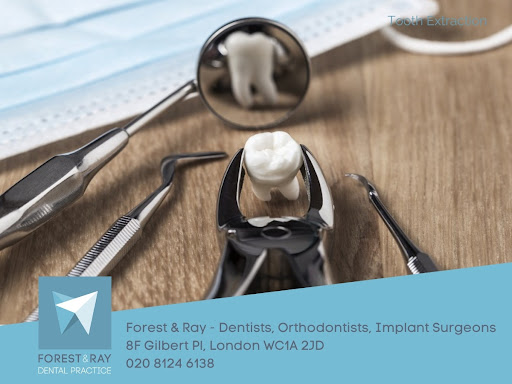
The dentist can use a local anaesthetic to the area of your tooth that is numb prior to you remove it. This helps reduce the discomfort and sedation that occurs in the procedure. In the following days, you could experience some bleeding at the site of extraction. Your dentist will place gauze on the area to stop the bleeding and encourage healing.
After removing a tooth a dentist may recommend fillings, crowns or implants to improve the appearance and function of your mouth.
A potential issue with tooth extraction is a dry socket which occurs in the event that the blood clot that forms at the extraction site is dissolved or dislodged too fast. This could cause extreme pain and a slow healing. Suppose you develop a dry socket following an extraction. In that situation the dentist will need to remove any traces of dirt from the socket and then pack it in medicated dressings until your new tissue grows back into place. Always ask your dentist about the process of the extraction as well as any aftercare. information at Forest and Ray.
Infections or abscesses that are not solved by other methods
Dental decay can cause abscesses and infection. If decay is not addressed, it can lead to bacteria to invade the inner tooth and cause an infection. When a tooth gets infected, it can be extremely painful and uncomfortable. In some cases, the infection cannot be treated with other methods including an antibiotic or a root canal. Dental conditions can trigger fever, which is why dental surgeons might be needed to treat it. If you have to remove teeth due to an infection, it`s crucial to follow the proper aftercare during the first 24 hours after the procedure.
A wisdom tooth extraction may be necessary because of an infection or an impaction beneath the gum tissue. The procedure for extraction is carried out by patients receive local anaesthesia so that they do not feel pain when their wisdom teeth are removed. Afterward, patients need follow the specific aftercare recommendations provided by their dental surgeon for their sockets and gums to heal in a timely manner without issues occurring later, after the healing process has begun.
Teeth that have been stuck or impacted below the gum line
Untreated, a tooth that is stuck or impacted beneath the gum can cause discomfort and pain. It may also lead to injury or infection to adjacent teeth if it is not treated.
Tooth extraction in London is a common dental procedure which involves removing teeth from their socket in the jawbone. The procedure is simple or require surgery dependent on how damaged the tooth and where it`s located. There may be bleeding and swelling after the release of your tooth. It`s normal as part of healing. The dentist may apply gauze at the tooth`s extraction site to reduce bleeding and stimulate the clotting process.
For optimal healing, it`s essential to adhere to the instructions for post-operative care following wisdom tooth removal or any type of dental surgery that involves an impacted or a tooth that has been trapped.
Trauma, injury or injury damage
If you`ve experienced an injury or trauma to your teeth, it may be necessary to take out the tooth. In some instances, the damage is so severe that the tooth cannot be saved, and it must be pulled out. In cases of trauma or injury, your dentist may recommend extraction if they think that attempting to save the damaged tooth can do more harm than good. This is particularly true when you are trying to save your tooth might make your lower teeth looser or cause pain in the dental area. If a tooth infection is too extensive and cannot be treated with antibiotics or other treatments and treatments, it might be necessary to perform a tooth extraction. Following the correct instructions to care for your teeth following a tooth extraction is essential for healing to proceed with no complications.
Periodontal disease that has progressed to the point of being fatal
If periodontal disease has advanced too far, tooth extraction might be required. Gum disease bacteria may damage teeth and the surrounding bone. If not treated, gum disease can lead to loose teeth and even tooth loss.
The dentist will extract the damaged tooth in the jawbone`s socket. The dentist will numb the region around the tooth, then use technological tools to gently loosen the tooth. Following tooth extraction it is important to follow the post-operative instructions your dentist provides.
Following the procedure there may be swelling and pain for a few days as your body heals and tries to fill the empty tooth socket. Dentists can use stitches to seal the surgical area.
We advise that you do not disrupt the healing process at this stage. This could result in the condition known as dry socket. This is when there isn`t clot of blood in the space the tooth was. This can cause pain and slow down the healing process. If you follow the recommendations from your dentist you can lower the chance of developing complications. This includes recognizing warning signals of potential problems and seeking out dentists who are professionals when you need them.
Blocking teeth that prevent the growth of new teeth
If a new tooth is trying to grow, it might encounter obstacles. It does not matter if the tooth is blocked or impacted by another tooth. The discomfort and pain can result. The procedure of dental extraction is a long-standing tradition. It is the process of removing of the socket of a tooth from the jawbone. The procedure can be performed under local anaesthetic which will make the tooth numb and surrounding area so that you don`t feel any discomfort throughout the process. Dental implants may be considered an option after the extraction, offering numerous benefits to replace the tooth that was removed. The cost for a tooth extraction is contingent upon a number of variables like the location as well as the complexity of your situation, and whether you have insurance coverage.
A dentist may recommend tooth extraction if a permanent tooth begins to develop but is being blocked by a different tooth. This procedure is recommended in cases where other procedures fail and need to remove the affected tooth from its socket, usually just a few minutes at a time until the whole root is entirely removed leaving nothing left behind. It also ensures the patient`s ease throughout the entire process by using the right numbing methods prior to starting work on the affected area which reduces the risk of further complications, like infections caused by decay that has not been treated or damaged tissues around the extracted site. Following the procedure, regular appointments are scheduled in the coming weeks to check that all is well.
Orthodontic treatment that requires the removal of certain teeth
It is not uncommon for certain teeth to be removed in orthodontic treatment. A few teeth may get blocking the path of growing new teeth or could cause overcrowding. To extract impacted teeth, a small cut is made through the gum tissue. The bone covering the tooth is removed. Dental professionals use special instruments to extract or break down the tooth.
It is very important to follow the guidelines from your dentist or surgeon after tooth extraction. In the absence of following these instructions, you could result in a painful problem known as dry socket. This happens when blood clots fail to form properly at the extraction location. While everyone is not looking forward to having a tooth extracted as part of an orthodontic treatment plan in London Knowing what to expect prior to the appointment can help alleviate anxiety about this standard dental procedure. By following the instructions for post-operative care carefully and seeking medical attention promptly should it be required, patients can go home within hours after their appointment with no discomfort and get back on track with their orthodontic treatment as quickly as they can.
A filling or crown isn`t able to be used to treat tooth decay that is severe.
If the decay is so advanced that it will no longer be treated by an amalgam filling or crown, dental extraction may be the best choice. A dentist will initially assess the severity of the decay and determine if a simple surgical extraction is needed. Following a tooth extraction, proper tooth extraction aftercare is essential for healing and to prevent infections. Patients must avoid smoking and drinking with straws for at least 24 hours after the procedure. It is also recommended to gently wash their mouth using salt water at least once every day to keep their socket clean.
Patients must be aware that a certain amount of discomfort is normal following dental extraction, but if the pain persists or becomes worse over time, they must consult their dentist. Additionally, patients should check in with their dentist within one week of the procedure to ensure that the healing process is complete and resolve any concerns they have about their dental health going forward. A consultation with a dentist regarding the advantages and potential risks of dental implants will guide you in making the right choice to suit your particular situation.